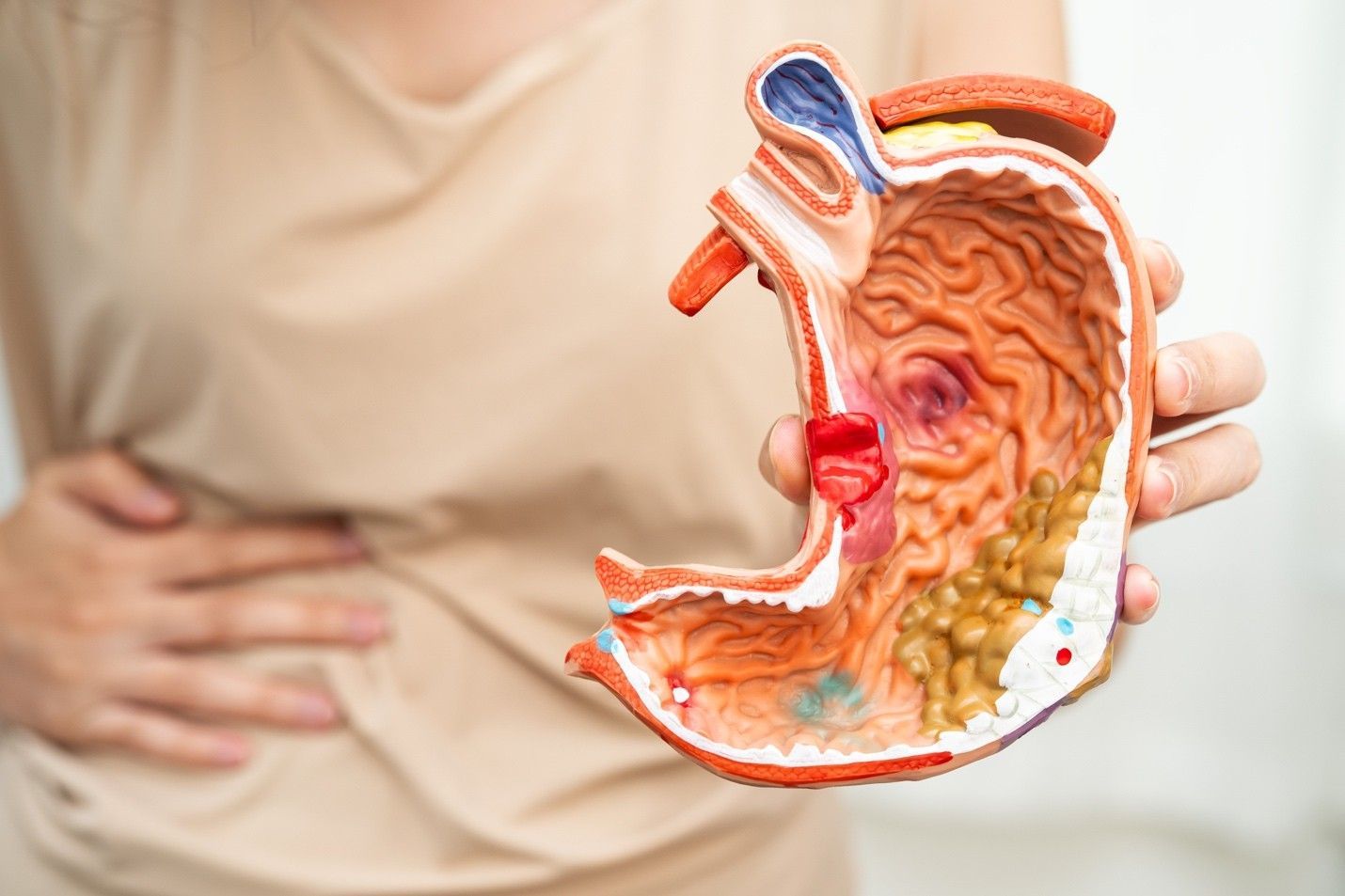

Digestive Conditions & GI Symptoms: When to Seek Expert Gastroenterology Care
Understanding ERCP | Northlake

Digestive health plays a major role in total wellness. Most people experience gastrointestinal (GI) symptoms that interrupt daily life. Discomfort every now and then is normal, but consistent or worsening digestive symptoms might signal underlying conditions that require medical attention. At Northlake Gastroenterology Associates, our professionals are dedicated to diagnosing and treating a plethora of digestive conditions to help patients find lasting relief.


Common Digestive Symptoms to Watch For

Gastrointestinal conditions can vary widely in severity and frequency. Some of the most common symptoms for which patients desire gastroenterology care include:

  • Abdominal aches or cramping
  • Bloating and extensive gas
  • Unbearable constipation or diarrhea
  • Nausea or vomiting
  • Heartburn or acid reflux
  • Changes in bowel habits

While these symptoms may seem minor at first, persistent digestive discomfort shouldn’t be ignored, especially if it interferes with daily activities or sleep.

Understanding Digestive Conditions

Digestive symptoms can stem from a vast number of conditions. These might range from functional disorders to swelling or structural problems within the GI tract. Common digestive conditions treated at Northlake Gastroenterology Associates include:

  • Gastroesophageal reflux disease (GERD), which causes significant heartburn and acid reflux
  • Irritable bowel syndrome (IBS), a functional disorder characterized by abdominal pain and bowel changes
  • Inflammatory bowel disease (IBD), specifically Crohn’s and ulcerative colitis
  • Celiac disease and food sensitivities affect how nutrients are digested comfortably
  • Diverticular disease, which can cause pain and changes in bowel habits

The exact diagnosis is critical, as conditions with similar symptoms may require very different treatment options.


Comprehensive Evaluation and Diagnosis

Northlake Gastroenterology Associates’ digestive care begins with a thorough evaluation. Our physicians review medical history, symptoms, diet, and lifestyle factors. When necessary, diagnostic evaluations such as laboratory tests, imaging, or endoscopic procedures—including colonoscopy or upper endoscopy—may be suggested to understand the cause of these symptoms.

This comprehensive approach allows us to design specific treatment plans rather than simply address symptomatic issues.


Personalized Treatment for Digestive Health

Procedures for digestive conditions are tailored to each person’s diagnosis. Care plans (medication management, dietary suggestions, lifestyle modifications, or ongoing evaluation for chronic conditions) are often the best bet. For those with long-term digestive disorders, continued follow-up is crucial for managing symptoms effectively and preventing complications.

Education is a big aspect of care, empowering patients to understand their symptoms and be active in sustaining their digestive health.


When to See a Gastroenterologist

Consider scheduling an appointment if GI conditions:

  • Last for more than a few weeks
  • Get worse over time
  • Interrupt daily routines or rest
  • Result in unexplained weight loss, bleeding, or exhaustion

Early testing leads to a faster diagnosis, more effective treatment, and better long-term results.


Trusted Digestive Care at Northlake Gastroenterology Associates

With Northlake Gastroenterology Associates, we strive to provide genuine, understanding care for digestive conditions and GI symptoms. Through state-of-the-art diagnostics, individualized treatment, and patient-centered care, we guide patients to achieve better digestive health and well-being.

If ongoing digestive conditions affect your life, contact us to plan an evaluation and journey toward relief.


More Blogs

By Bob Berendsen January 12, 2026
At Northlake Gastroenterology Associates, esophageal manometry is an important diagnostic tool used to evaluate swallowing problems and esophageal function. This test helps measure what can’t be seen with standard imaging — how well the muscles in the esophagus are working. Have you ever felt like food gets stuck when you swallow? Or experienced chest discomfort, pain while eating, or ongoing heartburn that doesn’t improve with treatment? These symptoms can be frustrating and even concerning. While they may seem minor at first, they can be signs of a swallowing or esophageal disorder. To better understand what’s happening beneath the surface, doctors may recommend a specialized test called esophageal manometry. What Is Esophageal Manometry? Esophageal manometry is a test that measures the strength, coordination, and timing of muscle contractions in your esophagus. The esophagus is the muscular tube that moves food and liquid from your mouth to your stomach. For swallowing to work properly, these muscles must contract in a smooth, organized way. Unlike an X-ray or endoscopy, which show the structure of the esophagus, esophageal manometry focuses on how the muscles function. This makes it especially useful when patients have symptoms but normal-looking imaging results. Why Is This Test Important? Swallowing is a complex process that involves multiple muscles and valves working together. When even one part of this process isn’t functioning correctly, it can lead to uncomfortable or painful symptoms, including: Difficulty swallowing food or liquids A sensation of food getting stuck in the throat or chest Chest pain not related to the heart Ongoing heartburn or regurgitation Esophageal manometry allows gastroenterologists to identify problems with muscle movement, pressure, or coordination that may be causing these symptoms. Understanding the exact issue is essential for creating an effective treatment plan. Conditions Esophageal Manometry Can Diagnose Esophageal manometry is especially helpful in diagnosing esophageal motility disorders , which occur when the muscles of the esophagus don’t work as they should. Some common conditions identified through manometry include: Achalasia This condition occurs when the muscle at the bottom of the esophagus does not relax properly, making it difficult for food to pass into the stomach. Patients may feel like food stops or backs up after swallowing. Esophageal Spasms In this disorder, esophageal muscles contract irregularly or too forcefully. This can cause sudden chest pain or difficulty swallowing, sometimes mimicking heart-related symptoms. Weak or Ineffective Esophageal Motility Some patients have esophageal muscles that are too weak to move food efficiently. This can contribute to swallowing difficulties or ongoing reflux symptoms. By identifying these patterns, esophageal manometry helps doctors understand why symptoms are occurring and how best to treat them. What Happens During the Test? Esophageal manometry is typically performed as an outpatient procedure and does not require sedation. The test usually takes about 30 to 45 minutes. Here’s what patients can expect: A thin, flexible tube is gently passed through the nose and into the esophagus. Once the tube is in place, patients are asked to swallow small sips of water. Sensors along the tube measure muscle pressure and coordination during each swallow. The tube is removed once enough measurements are collected. While some patients experience mild discomfort or pressure in the nose or throat, the test is generally well-tolerated. Most people can resume normal activities shortly afterward. How Esophageal Manometry Helps Guide Treatment One of the biggest benefits of esophageal manometry is that it provides clear, objective data about how the esophagus functions. This information allows your gastroenterologist to tailor treatment to your specific condition. Depending on the results, treatment options may include: Medications to relax or improve muscle function Dietary adjustments to make swallowing easier Lifestyle changes to reduce symptoms Advanced procedures or surgery for certain conditions In some cases, manometry is also used before or after surgery to ensure the esophagus can function properly or to evaluate treatment success. Why Choose Northlake Gastroenterology Associates? At Northlake Gastroenterology Associates, patients receive expert care for a wide range of digestive and swallowing concerns. Our experienced providers use advanced diagnostic tools like esophageal manometry to identify the root cause of symptoms — not just manage them. We understand that swallowing difficulties can affect nutrition, comfort, and overall quality of life. That’s why we take a patient-centered approach, focusing on accurate diagnosis, clear communication, and personalized treatment plans designed to improve long-term outcomes. Take the Next Step Toward Answers and Relief If you are experiencing trouble swallowing, unexplained chest discomfort, or persistent reflux symptoms, you don’t have to live with uncertainty. Esophageal manometry can provide valuable insight into what’s happening inside your esophagus and help guide effective treatment. Contact Northlake Gastroenterology Associates today to schedule an appointment or learn more about esophageal manometry. Our team is here to help you find answers and get back to feeling your best.
Beyond the Scope of Traditional Care | Northlake Gastroenterology
By Bob Berendsen December 2, 2025
(ERCP) provides a powerful, minimally invasive solution that goes beyond traditional care, allowing your doctor to both diagnose and treat issues.
The Key to Diagnosing Hidden GI Conditions | Northlake Gastroenterology
By Bob Berendsen November 4, 2025
At Northlake Gastroenterology Associates, we believe that understanding your diagnostic options helps reduce anxiety and empowers you to take an active role.
Acid Reflux vs. GERD | Northlake Gastroenterology
By Bob Berendsen October 1, 2025
Understanding the difference between acid reflux and GERD can help you make smart choices about when to manage symptoms.
Irritable Bowel Syndrome:  Causes, Symptoms, and How to Manage It | Northlake Gastroenterology
By Bob Berendsen September 1, 2025
If you’ve been diagnosed with Irritable Bowel Syndrome (IBS), you’re not alone, and your gut health likely plays a central role in how it affects you.
How to Manage Acid Reflux | Northlake
By Bob Berendsen August 1, 2025
Fortunately, there are effective, medically guided strategies and treatments available that help you maintain comfort and digestive balance during the hottest time of year.
Why Staying Hydrated in the Summer Matters | Northlake Gastroenterology Associates
By Bob Berendsen July 11, 2025
Staying hydrated during the summer is essential for protecting your digestive system and supporting long-term gut health.
Seasonal Fruits and Vegetables for Gut Health | Pine Belt
By Bob Berendsen June 1, 2025
A healthy gut supports immune function, mood regulation, nutrient absorption, and inflammation control, among many other things. And during summer, your body needs hydration, antioxidants, and fiber-rich foods that keep your digestive system moving efficiently despite the heat.
Traveler’s Tummy | Northlake Gastroenterology Associates
By Bob Berendsen May 1, 2025
Traveling offers the excitement of new experiences, cultures, and cuisines. However, this excitement can sometimes be dampened by digestive issues, commonly referred to as "traveler's tummy."
Your Gastric Health | Northlake Gastroenterology Associates
By Bob Berendsen April 1, 2025
Weight loss injectables have gained significant popularity as a non-surgical solution for obesity and weight management. These medications, such as semaglutide (Wegovy, Ozempic) and liraglutide (Saxenda), function by regulating appetite and metabolism.