

Measuring the Unseen: How Esophageal Manometry Helps Diagnose Swallowing Disorders

At Northlake Gastroenterology Associates, esophageal manometry is an important diagnostic tool used to evaluate swallowing problems and esophageal function. This test helps measure what can’t be seen with standard imaging — how well the muscles in the esophagus are working.
Have you ever felt like food gets stuck when you swallow? Or experienced chest discomfort, pain while eating, or ongoing heartburn that doesn’t improve with treatment? These symptoms can be frustrating and even concerning. While they may seem minor at first, they can be signs of a swallowing or esophageal disorder. To better understand what’s happening beneath the surface, doctors may recommend a specialized test called esophageal manometry.
What Is Esophageal Manometry?
Esophageal manometry is a test that measures the strength, coordination, and timing of muscle contractions
in your esophagus. The esophagus is the muscular tube that moves food and liquid from your mouth to your stomach. For swallowing to work properly, these muscles must contract in a smooth, organized way.
Unlike an X-ray or endoscopy, which show the structure of the esophagus, esophageal manometry focuses on how the muscles function. This makes it especially useful when patients have symptoms but normal-looking imaging results.
Why Is This Test Important?
Swallowing is a complex process that involves multiple muscles and valves working together. When even one part of this process isn’t functioning correctly, it can lead to uncomfortable or painful symptoms, including:
- Difficulty swallowing food or liquids
- A sensation of food getting stuck in the throat or chest
- Chest pain not related to the heart
- Ongoing heartburn or regurgitation
Esophageal manometry allows gastroenterologists to identify problems with muscle movement, pressure, or coordination that may be causing these symptoms. Understanding the exact issue is essential for creating an effective treatment plan.
Conditions Esophageal Manometry Can Diagnose
Esophageal manometry is especially helpful in diagnosing esophageal motility disorders, which occur when the muscles of the esophagus don’t work as they should.
Some common conditions identified through manometry include:
Achalasia
This condition occurs when the muscle at the bottom of the esophagus does not relax properly, making it difficult for food to pass into the stomach. Patients may feel like food stops or backs up after swallowing.
Esophageal Spasms
In this disorder, esophageal muscles contract irregularly or too forcefully. This can cause sudden chest pain or difficulty swallowing, sometimes mimicking heart-related symptoms.
Weak or Ineffective Esophageal Motility
Some patients have esophageal muscles that are too weak to move food efficiently. This can contribute to swallowing difficulties or ongoing reflux symptoms.
By identifying these patterns, esophageal manometry helps doctors understand why symptoms are occurring and how best to treat them.
What Happens During the Test?
Esophageal manometry is typically performed as an outpatient procedure and does not require sedation. The test usually takes about 30 to 45 minutes.
Here’s what patients can expect:
- A thin, flexible tube is gently passed through the nose and into the esophagus.
- Once the tube is in place, patients are asked to swallow small sips of water.
- Sensors along the tube measure muscle pressure and coordination during each swallow.
- The tube is removed once enough measurements are collected.
While some patients experience mild discomfort or pressure in the nose or throat, the test is generally well-tolerated. Most people can resume normal activities shortly afterward.
How Esophageal Manometry Helps Guide Treatment
One of the biggest benefits of esophageal manometry is that it provides clear, objective data
about how the esophagus functions. This information allows your gastroenterologist to tailor treatment to your specific condition.
Depending on the results, treatment options may include:
- Medications to relax or improve muscle function
- Dietary adjustments to make swallowing easier
- Lifestyle changes to reduce symptoms
- Advanced procedures or surgery for certain conditions
In some cases, manometry is also used before or after surgery to ensure the esophagus can function properly or to evaluate treatment success.
Why Choose Northlake Gastroenterology Associates?
At Northlake Gastroenterology Associates, patients receive expert care for a wide range of digestive and swallowing concerns. Our experienced providers use advanced diagnostic tools like esophageal manometry to identify the root cause of symptoms — not just manage them.
We understand that swallowing difficulties can affect nutrition, comfort, and overall quality of life. That’s why we take a patient-centered approach, focusing on accurate diagnosis, clear communication, and personalized treatment plans designed to improve long-term outcomes.
Take the Next Step Toward Answers and Relief
If you are experiencing trouble swallowing, unexplained chest discomfort, or persistent reflux symptoms, you don’t have to live with uncertainty. Esophageal manometry can provide valuable insight into what’s happening inside your esophagus and help guide effective treatment.
Contact Northlake Gastroenterology Associates today
to schedule an appointment or learn more about esophageal manometry. Our team is here to help you find answers and get back to feeling your best.
More Blogs
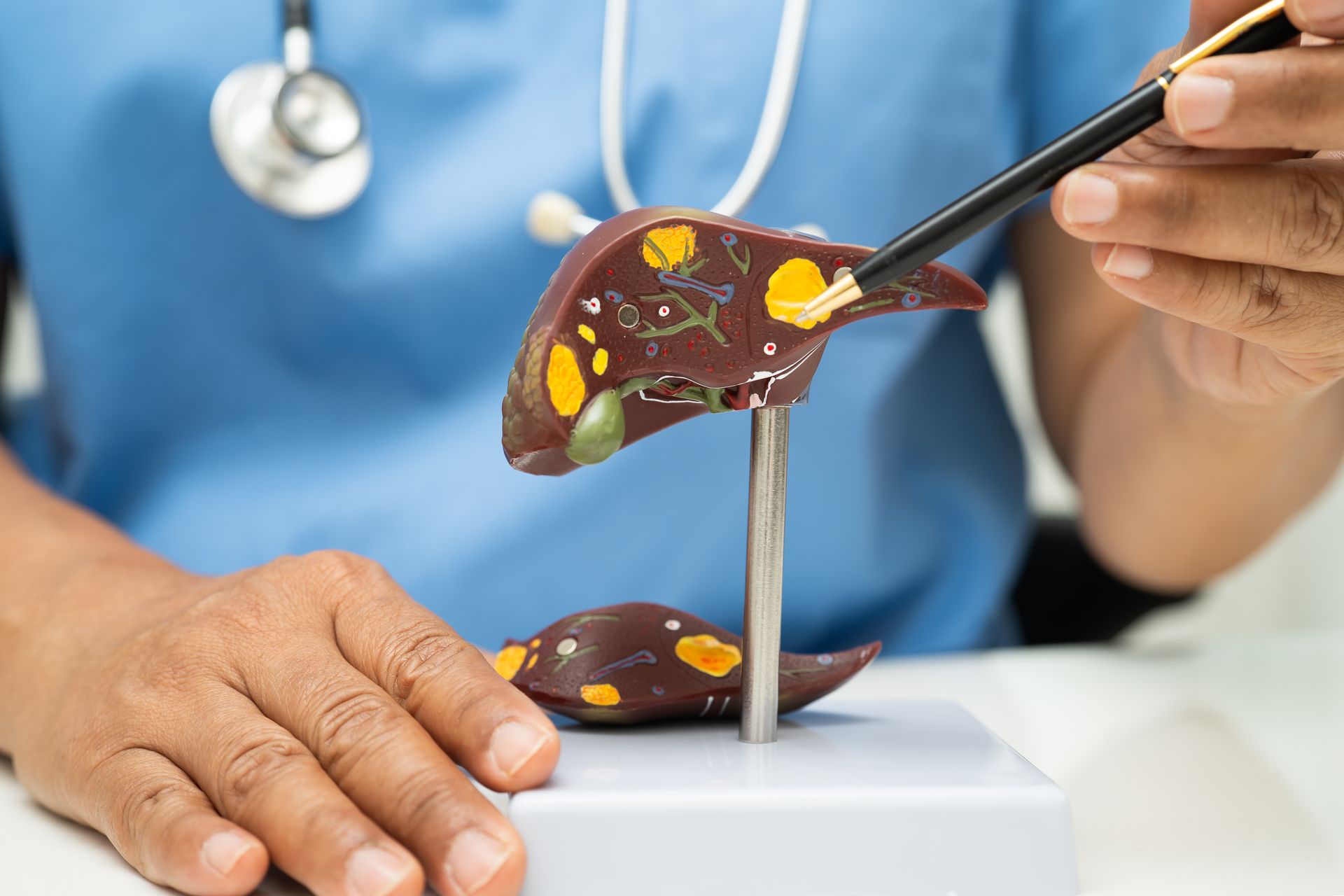
Fatty liver disease is becoming more and more common, which is why it's important to consider liver health as part of general well-being. Nonalcoholic fatty liver disease (NAFLD) is a condition in which too much fat builds up in the liver of people who drink only small amounts or no alcohol at all. Although in most instances fatty liver disease does not cause any noticeable symptoms, it can progress to more serious liver issues if it is not properly managed. What Counts as Fatty Liver Disease? The disease is diagnosed when fat accumulates in liver cells. Nonalcoholic fatty liver disease (NAFLD), which is now also called metabolic dysfunction-associated steatotic liver disease (MASLD), is usually linked with metabolic health conditions. Factors that may increase the risk of fatty liver disease include: • Overweight or obesity • Type 2 diabetes or insulin resistance • High cholesterol or triglycerides • High blood pressure • Consumption of added sugars and processed foods • Physical inactivity Fatty liver disease can go from a simple build-up of fat to involving liver inflammation and scarring. Early signs and treatment may reduce the risk of progression. What are Signs of Fatty Liver Disease? Few people with fatty liver disease have any noticeable symptoms, especially in the early stages; when symptoms do appear, they may be general and can involve: • Fatigue • Discomfort in the upper right abdomen • General weakness • Unexplained changes in weight Since symptoms can be absent or very mild, physicians often find fatty liver disease during routine blood tests or when imaging is carried out for some other reason. Can Fatty Liver Disease be Reversed? In numerous instances, making changes to one's way of life may result in a decrease in liver fat and result in an improvement of general liver health. For individuals who are overweight or obese and have fatty liver disease, weight management is one of the most important measures. Steps that may help improve fatty liver disease include: • Achieving gradual, lasting weight loss when appropriate • Maintaining a well-rounded diet rich in vegetables, fruits, whole grains, and low-fat proteins • Limiting added sugars and highly processed foods • Reducing intake of sugary beverages • Taking part in regular physical activity • Managing diabetes, cholesterol, and blood pressure Even a slight amount of weight loss can reduce buildup in the liver. Nevertheless, the right weight-loss methods depend on the individual's overall health and medical history. What is the Importance of Managing Fatty Liver Disease? Fatty liver disease might at first cause no symptoms, but in some cases inflammation and liver fibrosis — that is, scarring — can occur. In more advanced cases of liver disease there is a greater risk of cirrhosis, liver failure, and other complications. A regular medical checkup can help establish if there is any liver damage and allow the extent of any changes to be kept under observation. In some cases, a gastroenterology or hepatology specialist will suggest blood tests, imaging, or further testing. When is it Necessary to See a Gastroenterology Specialist? People should think about seeing a gastroenterology specialist if they have been given a diagnosis of fatty liver disease or if they have any risk factors for developing it. It is particularly important to have a medical evaluation if your liver tests are abnormal, if you have ongoing abdominal discomfort, or if you have other worrying symptoms. A specialist can assess liver health, identify contributing factors, and create a customized treatment and monitoring program. Maintaining Long-Term Liver Health Fatty liver disease is closely linked to overall metabolic health, and you can help keep your liver healthy by maintaining a healthy weight, eating a balanced diet, staying physically active, and controlling conditions like diabetes and high cholesterol. For people who have NAFLD or MASLD, early evaluation and regular changes to their way of life can have a significant impact on their liver health. By working with a gastroenterology specialist, they can determine suitable treatment options and reduce the risk of long-term liver complications.

Probiotics have risen in prominence in discussions of digestive health, as people increasingly consume probiotic foods and supplements to promote gastrointestinal well-being. These beneficial microorganisms may help maintain a balanced population of bacteria in the digestive system and support normal digestive processes. However, probiotic benefits vary by type, individual, and underlying digestive condition. What Are Probiotics? Probiotics are live microorganisms, including specific bacteria and yeast, that may provide health benefits when consumed in sufficient quantities. The digestive tract naturally contains trillions of microorganisms, collectively known as the gut microbiome. Maintaining a healthy balance of microorganisms supports effective digestion and overall digestive health. Probiotics may support this state by introducing beneficial microorganisms into the digestive system. Common sources of probiotics include: Yogurt containing live and active cultures Kefir Fermented vegetables Certain fermented foods Probiotic dietary supplements Probiotic strains differ in their effects; therefore, choose an appropriate probiotic based on your health needs and specific digestive concerns. How Do Probiotics Support Digestive Health? Diet, illness, medications, and stress can influence the composition of the gut microbiome. For instance, antibiotics can reduce both harmful and beneficial bacteria in the digestive tract. Probiotics may support digestive health in several ways, including: Helping preserve a healthy balance of gut microorganisms Supporting normal digestion Supporting regular bowel movements Helping with certain types of diarrhea Supporting digestive comfort Interacting with the immune system Current research is investigating the potential effects of probiotics on conditions such as irritable bowel syndrome (IBS), antibiotic-associated diarrhea, and other digestive disorders. Can Probiotics Help With Digestive Problems? Probiotics may be beneficial for certain digestive conditions; however, they do not serve as a universal treatment. Some people may experience improvements in symptoms such as bloating or bowel regularity, while others may not notice significant benefits. A probiotic's effectiveness depends on factors including the specific strain, dosage, duration of use, and the individual's digestive health. Therefore, probiotic supplementation should not substitute for evaluation by a gastroenterology specialist when symptoms persist. Probiotic Foods vs. Supplements Probiotics are available from both foods and dietary supplements. Foods such as yogurt and kefir provide beneficial microorganisms and also supply essential nutrients. Supplements contain specific probiotic strains in concentrated amounts. However, higher quantities of probiotics do not necessarily yield better outcomes. Products vary in strains and dosages, and supplements may not suit everyone. A medical expert can determine whether probiotic supplementation is appropriate based on an individual's symptoms and medical history. When Should You See a Gastroenterology Specialist? Although occasional digestive discomfort is common, don't manage persistent or worsening symptoms with probiotics alone. Consultation with a gastroenterology specialist is recommended if any of the following symptoms occur: Ongoing abdominal pain or bloating Persistent diarrhea or constipation Blood in your stool Unexplained weight loss Significant changes in bowel habits Recurring digestive symptoms that impede daily activities Symptoms that do not improve with dietary changes Such symptoms may indicate an underlying condition that requires appropriate diagnosis and medical management. Supporting a Healthy Gut Probiotics are only one part of maintaining optimal digestive health. A well-balanced diet rich in fiber, sufficient hydration, regular physical exercise, and healthy lifestyle practices also support the gut microbiome. Individuals considering probiotics or experiencing ongoing digestive symptoms should consult a gastroenterology specialist to discuss available options. A specialist can help develop a customized approach to supporting digestive health and general well-being.

Constipation is an often temporary digestive problem that can affect anyone. Occasional constipation is usually nothing to worry about, but if your symptoms last for weeks or months, it could point to a more serious problem. Chronic constipation can interrupt your daily routine, cause discomfort, and affect your digestive health. Gastroenterology specialists identify the cause and create a treatment plan that works for you. What Is Chronic Constipation? Constipation usually means having less than three bowel movements a week, having trouble passing stool, or feeling like your bowels do not empty completely. If these symptoms last for three months or more, it is called chronic constipation. Occasional constipation can happen because of changes in your diet or routine, but chronic constipation often needs a doctor’s evaluation to find the cause and prevent problems. Common Causes of Chronic Constipation Many things can lead to chronic constipation, and sometimes more than one factor is involved. Common causes include: A low-fiber diet Not drinking enough water Lack of regular physical exercise Side effects from certain medications Irritable bowel syndrome (IBS) Pelvic floor dysfunction Thyroid disorders Neurological conditions such as Parkinson’s disease or multiple sclerosis Colon or rectal disorders Since chronic constipation can have several causes, it is important to get a full evaluation for the right diagnosis and treatment. Symptoms of Chronic Constipation Not having regular bowel movements is the most obvious sign, but chronic constipation can also cause other digestive problems. Typical symptoms include: Fewer than three bowel movements each week Hard, dry, or lumpy stools Straining during bowel movements A feeling of incomplete bowel emptying Abdominal bloating or discomfort Excessive gas The need to use manual assistance to pass stool in some cases If constipation is not treated, it can lead to problems like hemorrhoids, anal fissures, or fecal impaction over time. When Should You See a Gastroenterology Specialist? Many people use over-the-counter remedies before seeing a doctor. These treatments might help for a short time, but ongoing symptoms should not be ignored. You should schedule an appointment with a specialist if you experience: Constipation lasting longer than three weeks Frequent reliance on laxatives Blood in your stool Severe abdominal pain Unexplained weight loss New constipation after age 50 Symptoms that interfere with your daily activities Constipation that does not improve with diet and lifestyle changes These symptoms could be signs of a digestive problem that needs to be checked by a doctor. How Chronic Constipation Is Diagnosed A gastroenterology specialist will start by looking at your medical history, medications, diet, and symptoms. They may also do a physical exam. Diagnostic testing may include: Blood tests to identify thyroid disease or other metabolic conditions Colonoscopy to evaluate the colon, especially if warning signs are present Imaging studies to identify structural abnormalities Colonic transit studies to measure how quickly stool moves through the digestive tract Anorectal function testing to evaluate muscle coordination throughout bowel movements These tests help find the cause of your constipation and guide the best treatment plan for you. Treatment Options for Chronic Constipation Treatment aims to improve how your bowels work and to address any other health issues that may be causing constipation. Common treatment options include: Increasing dietary fiber intake Drinking more water throughout the day Consistent physical exercise Prescription medications that improve bowel function Pelvic floor physical therapy when muscle dysfunction is present Adjusting medications that may contribute to constipation Treating underlying digestive or medical conditions Many people feel much better when they combine lifestyle changes with the right medical treatment. Don’t Ignore Ongoing Constipation Constipation is common, but chronic constipation is not something you should ignore. Ongoing symptoms can affect your comfort, nutrition, and quality of life, and might be a sign of a more serious digestive issue. If you have ongoing constipation or trouble with bowel movements, it is important to see a gastroenterology specialist. Getting help early and having a treatment plan made just for you can restore healthy bowel function, ease your symptoms, and support your digestive health in the long run.
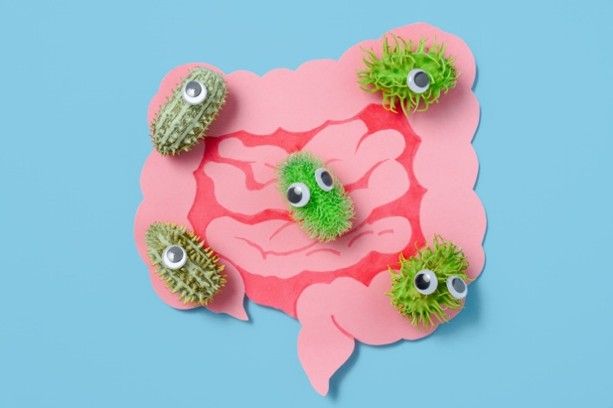
SIBO, or Small Intestinal Bacterial Overgrowth, occurs when too many bacteria grow in the small intestine. Although bacteria are a normal part of digestion, having too many in the small intestine can upset digestion and nutritional absorption. Gastroenterology clinics work to identify and treat SIBO to help patients feel better and support gut health. What Is SIBO? SIBO happens when too many bacteria build up in the small intestine, which usually has fewer bacteria than the colon. These extra bacteria can disrupt digestion by fermenting food earlier than usual. This may cause symptoms such as gas, inflammation, and difficulty absorbing nutrients. SIBO is often connected to other digestive problems, slow gut movement, or changes in gut structure. Common Causes of SIBO Many things can raise the risk of SIBO. Often, it develops because of a mix of digestive changes rather than just one cause. Common causes include: Slowed intestinal motility, allowing bacteria to grow and accumulate Structural abnormalities in the small intestine Previous gastrointestinal surgery Chronic conditions such as IBS or diabetes Low stomach acid, which normally helps control bacterial growth Long-term use of certain medications that affect gut balance Since SIBO often appears with other health issues, a complete medical check is important to get the right diagnosis. Symptoms of SIBO SIBO symptoms can be mild or severe and often look like those of other digestive problems, so testing is usually needed to find the cause. Typical symptoms include: Frequent bloating or abdominal distention Excessive gas or belching Abdominal discomfort or cramping Diarrhea, constipation, or alternating bowel habits Fatigue or low energy levels Nutrient deficiencies, such as vitamin B12 deficiency Unintended weight loss in more advanced cases Many people find their symptoms get worse after eating, especially after meals with lots of carbohydrates. How SIBO Is Diagnosed Because SIBO symptoms can look like other gut problems, proper testing is important. Doctors usually start by asking about your symptoms, diet, medical history, and any medicines you take. Diagnostic methods may include: Hydrogen and methane breath testing Blood tests to test for nutrient deficiencies Stool testing in some cases Evaluation for underlying conditions causing bacterial overgrowth Breath tests are often used to find SIBO because they measure gases made by bacteria in the small intestine. Treatment Options for SIBO SIBO treatment aims to lower the extra bacteria, ease symptoms, and fix the root cause to help prevent it from coming back. Common treatment approaches include: Antibiotics or antimicrobial therapy Dietary changes such as low FODMAP or modified carbohydrate intake Prokinetic medications to improve intestinal movement Probiotics, in some cases, can restore gut balance Nutritional support to correct deficiencies Treating underlying digestive conditions Changing your diet and daily habits can be important for managing SIBO and keeping symptoms under control over time. When to Seek Medical Care If you keep having digestive symptoms, don’t ignore them. You should see a doctor if you notice: Ongoing bloating or gas Chronic diarrhea or constipation Unexplained fatigue or nutrient deficiencies Abdominal pain that affects daily life Symptoms that do not improve with basic dietary changes Early diagnosis and treatment can stop complications from occurring and boost digestive comfort. Finding and treating SIBO early can help you avoid problems and feel better with the right care plan. In gastroenterology practices, providers focus on identifying the root cause of symptoms and developing customized treatment plans to support long-term digestive health. If you have symptoms of SIBO or ongoing digestive issues, making an appointment is a good first step to feeling better and improving your quality of life.

Many people feel bloated from time to time, but when bloating occurs frequently or persists, it may indicate a digestive problem that needs a doctor’s attention.

Digestive health is a keystone of overall wellness, yet many individuals experience ongoing gastrointestinal (GI) discomfort without understanding...
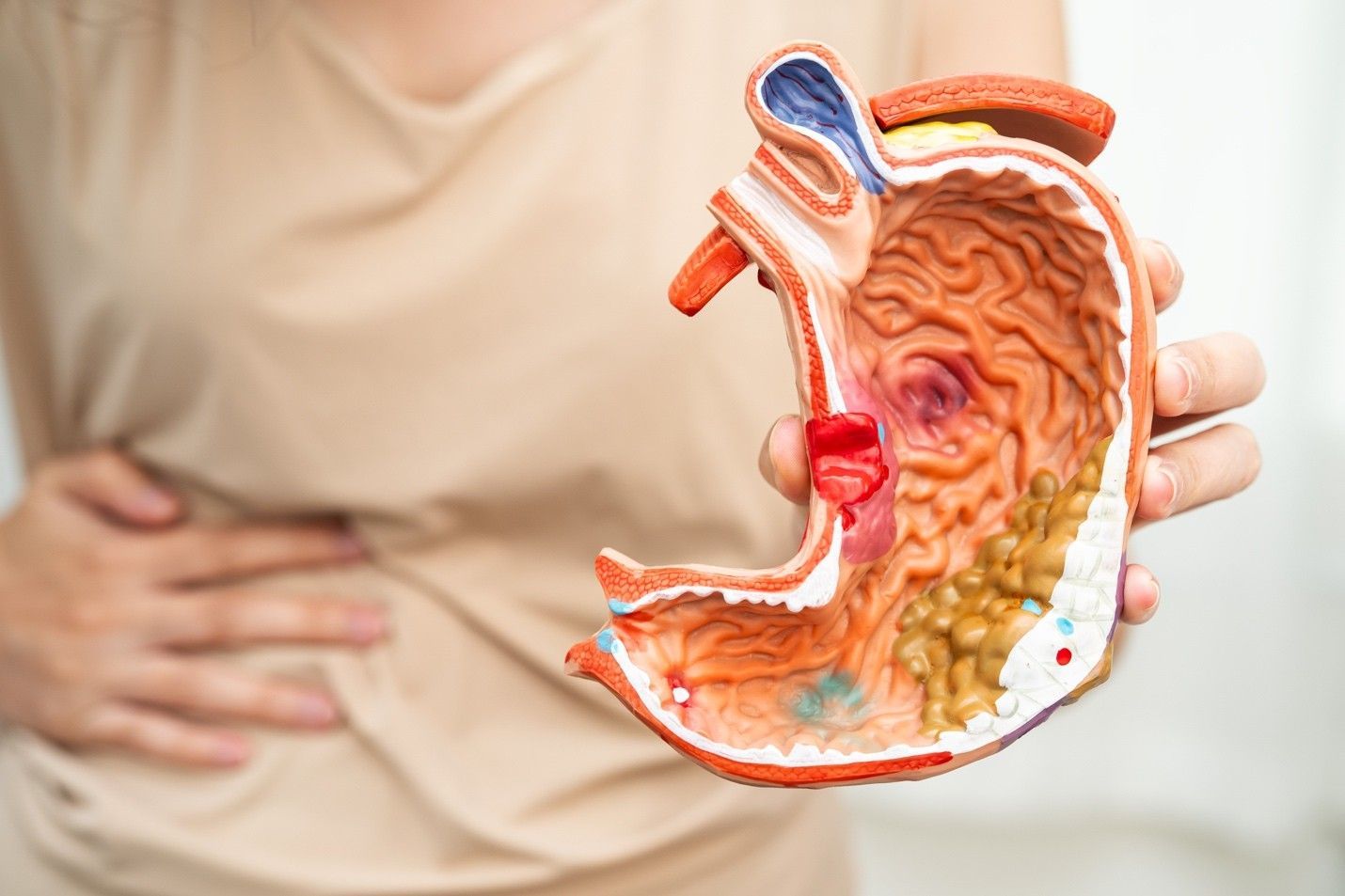
Digestive health research continues to evolve, often leading to confusing terminology. “Leaky gut syndrome” has recently attracted attention...

Digestive health affects more than just how your body processes food - it also plays a vital role in emotional and mental health. Many patients are surprised to learn how closely the gut and brain are connected
At Northlake Gastroenterology Associates, our professionals are dedicated to diagnosing and treating a plethora of digestive conditions to help patients find lasting relief.

Understanding ERCP and Its Role in Treating Bile Duct Disorders Beyond the Scope of Traditional Care
(ERCP) provides a powerful, minimally invasive solution that goes beyond traditional care, allowing your doctor to both diagnose and treat issues.
