

How to Teach Children Healthy Eating Habits
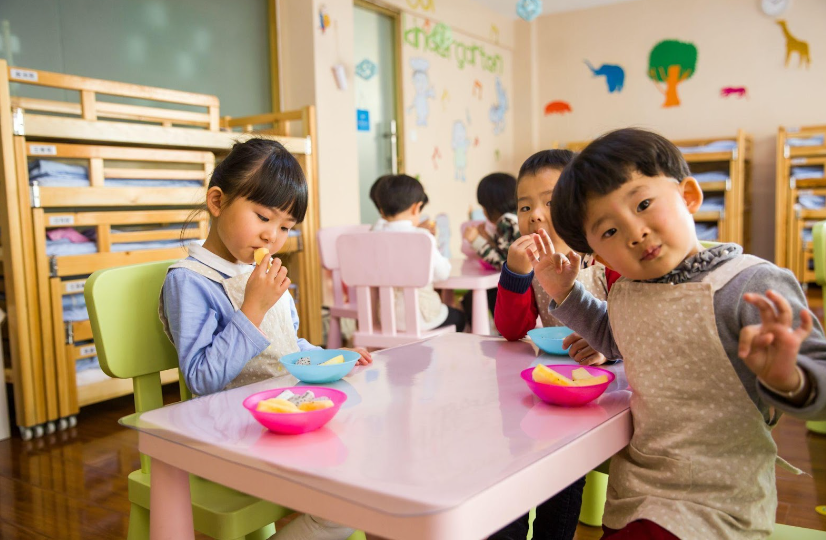
Teaching kids about good eating habits is vital for parents and caregivers in today's fast-paced world. Given the prevalence of processed and sugary snacks, it's crucial to instill an appreciation for nutritious food from a young age. Our goal extends beyond merely laying a foundation for their current health; it's about empowering them to make informed food choices as they grow.
Keep reading as we explore effective strategies and practical tips to help parents and educators guide children toward a diet that promotes well-being, growth, and vitality.
The Significance of Healthy Eating Habits
Healthy eating habits form the basis of a healthy and fulfilling life. These habits have a strong influence not only on our physical well-being but also on our mental and emotional states. When we look into the significance of healthy eating habits, we uncover how nourishing our bodies with wholesome foods can transform our lives. These habits play a pivotal role in bolstering our immune system, enhancing our cognitive function, and fostering positive relationships with food.
Physical Health
Maintaining physical well-being begins with healthy eating habits. A nutrient-dense diet provides the body with vital vitamins, minerals, and antioxidants and helps with:
- Weight Management: Sustaining a healthy weight diminishes the likelihood of chronic ailments such as obesity, type 2 diabetes, and heart disease.
- Robust Bones and Muscles: Sufficient calcium and protein intake is pivotal for maintaining bone density and muscle strength.
- Digestive Well-being: A fiber-rich diet facilitates regular bowel movements and curbs the risk of digestive issues.
- Enhanced Cardiovascular Health: Lowering the consumption of saturated fats and sodium can reduce blood pressure and cholesterol levels, consequently mitigating the risk of heart disease.
- Reinforced Immune System: Adequate nutrition bolsters the immune system, reinforcing the body's ability to ward off infections and illnesses.
Mental Health
Healthy eating habits are closely intertwined with mental and emotional well-being. Nutrient-dense foods serve as both physical fuel and mental nourishment.
A diet abundant in vitamins, minerals, and omega-3 fatty acids can significantly impact mental health by:
- Reducing Depression Risk: Specific nutrients, such as folate and omega-3s, are correlated with a decreased risk of depression and mood-related disorders.
- Enhancing Cognitive Abilities: Fruits and vegetables, packed with antioxidants and polyphenols, support cognitive function, memory, and mental clarity.
- Elevating Energy Levels: Balanced nutrition delivers consistent energy, combats fatigue, and enhances focus and productivity.
- Stress Alleviation: Nutrient-packed foods can diminish stress levels and bolster the body's ability to manage stress.
- Improving Sleep Quality: A well-rounded diet can improve sleep quality, promoting emotional and mental resilience.
Positive Food Relationships
Healthy eating habits also play a crucial role in fostering positive relationships with food. When we make mindful choices about what we eat, we can develop a healthier attitude toward food, which includes:
- Reduced Emotional Eating: Learn to recognize hunger cues and eat for nourishment rather than emotional comfort.
- Enjoyment of Food: Savor the flavors and textures of wholesome foods and enjoy eating.
- Body Positivity: Develop a more accepting and positive body image, free from harmful diet culture influences.
- Intuitive Eating: Tuning into our body's natural hunger and fullness signals makes eating a more mindful and satisfying experience.
Long-Term Health and Disease Prevention
Healthy eating habits are powerful for preventing chronic diseases and promoting longevity. By making informed dietary choices, individuals can reduce their risk of:
- Heart Disease: A diet low in saturated fats, trans fats, and sodium can lower the risk of heart disease, heart attacks, and stroke.
- Type 2 Diabetes: Balanced nutrition helps maintain stable blood sugar levels, reducing the risk of developing type 2 diabetes.
- Cancer: A diet rich in antioxidants and fiber can reduce the risk of certain cancers, such as colorectal and breast cancer.
- Osteoporosis: Adequate calcium and vitamin D intake supports bone health and reduces the risk of osteoporosis.
- Hypertension: Reducing sodium intake and eating potassium-rich foods can help manage blood pressure.
- Obesity: A balanced diet can prevent excess weight gain and obesity, reducing the risk of associated health issues.
Be a Role Model
Adults influence their children highly. To teach healthy eating habits effectively, be a positive role model. Demonstrate balanced eating by including fruits, vegetables, whole grains, lean proteins, and dairy products. Show enthusiasm for trying new foods and savoring nutritious meals together as a family. Children are more likely to adopt healthy habits when they see adults practicing them.
Start Early with Breastfeeding and Introduction to Solid Foods
Getting a head start with breastfeeding and introducing solid foods is vital in helping babies and little ones develop good eating habits. Breastfeeding, often described as the best food, gives babies important nutrients and disease-fighting substances and creates a special connection with their moms.
The
World Health Organization (WHO) suggests it's best to breastfeed babies exclusively for their first half-year. This gives them all the necessary nourishment and lowers their chances of getting sick or having health issues.
The introduction of solid foods typically begins around six months when babies show signs of readiness, such as sitting up and displaying an interest in food. It's essential to offer a variety of nutrient-rich foods to ensure a balanced diet. Parents and caregivers should aim to introduce single-ingredient, age-appropriate foods like pureed vegetables, fruits, and grains gradually.
By exposing infants to different tastes and textures early on, we can help them develop a taste for nutritious foods and prevent fussy eating habits in the future. This transition from breastfeeding to solids should be gradual, allowing babies to adapt to new flavors and textures while maintaining the continued benefits of breastfeeding or formula feeding.
Create a Positive Food Environment
Encourage healthy eating by making your home environment conducive to good nutrition. Keep healthy snacks readily available, such as cut-up fruits, veggies, and yogurt. Limit the availability of sugary and processed foods, which can lead to poor eating habits. Set regular meal and snack times to establish a routine. Avoid using food as a reward or punishment, as this can create unhealthy associations with eating.
Involve Children in Meal Planning and Preparation
Engaging children in meal planning and cooking can pique their interest in healthy foods. Take them grocery shopping and let them choose fruits and vegetables they'd like to try. Involve them in age-appropriate cooking tasks, like washing vegetables, stirring, or setting the table. Children may be more inclined to eat what they've helped prepare when they are part of the process.
Offer a Variety of Foods
Expose children to a wide range of foods to expand their palate. Incorporate different colors, flavors, and textures into meals. Encourage them to try new foods, even if it's just a small taste. It can take multiple exposures to a fresh food before a child develops a liking for it.
Be Patient and Persistent
Children may be picky eaters at times, and that's perfectly normal. Don't force them to eat specific foods or finish their plate. Instead, offer various nutritious options and let them decide how much to eat. Continue to introduce new foods and flavors regularly and be patient. It can take time for a child's taste preferences to evolve.
Limit Sugary Beverages
One of the most significant contributors to unhealthy eating habits in children is the consumption of sugary beverages like soda and fruit juices. These drinks are often high in empty calories, leading to weight gain and dental problems. Encourage water as the primary beverage and limit sugary drinks to special occasions.
Be Mindful of Portion Sizes
Teaching children about portion control is vital for developing healthy eating habits. Use visual cues to help them understand appropriate portion sizes. For example, a serving of protein should be about the size of their palm, and a serving of grains should be around the size of their fist. Avoid oversized portions that can lead to overeating.
Teach Nutrition Education
Educating children about the nutritional value of foods can empower them to make healthier choices. Discuss the benefits of different food groups, explaining how fruits and vegetables provide vitamins and fiber while lean proteins help build strong muscles. Use age-appropriate books, videos, and games to make learning about nutrition fun and engaging.
Encourage Family Meals
Family meals provide connection and conversation while fostering healthy eating habits. Aim to have regular family dinners where everyone can sit together, share their day, and enjoy a nutritious meal. Family meals promote portion control and reinforce the importance of healthy eating as a family value.
Be Supportive and Positive
It is important to teach healthy eating habits with positivity and support. Avoid negative comments or food shaming. Instead, praise your child's efforts to make healthy choices. Celebrate their willingness to try new foods and acknowledge their progress in adopting a balanced diet.
Are you prepared to begin your journey to establishing healthier eating practices for your kids? Northlake Gastroenterology Associates is here to support you every step of the way. Our team of experts can guide nutrition and digestive health, ensuring your child gets the best care possible.
Contact us today to
schedule an appointment and set your child on the path to a lifetime of well-being through healthy eating habits.
More Blogs







Understanding ERCP and Its Role in Treating Bile Duct Disorders Beyond the Scope of Traditional Care