
Gastritis and Peptic Ulcers: Comprehensive Care

A thorough understanding of disorders like gastritis and peptic ulcers is necessary to navigate the complexity of gastrointestinal health. Even though these conditions are different, they all affect the upper digestive tract, which can lead to discomfort and consequences if left untreated.
Let's examine gastritis and peptic ulcers in detail, covering their causes, symptoms, diagnosis and treatment, and prevention.
Understanding Gastritis and Peptic Ulcers
Gastritis and peptic ulcers are common gastrointestinal issues that affect many people worldwide. Learning their characteristics allows for much easier management and prevention:
What Is Gastritis?
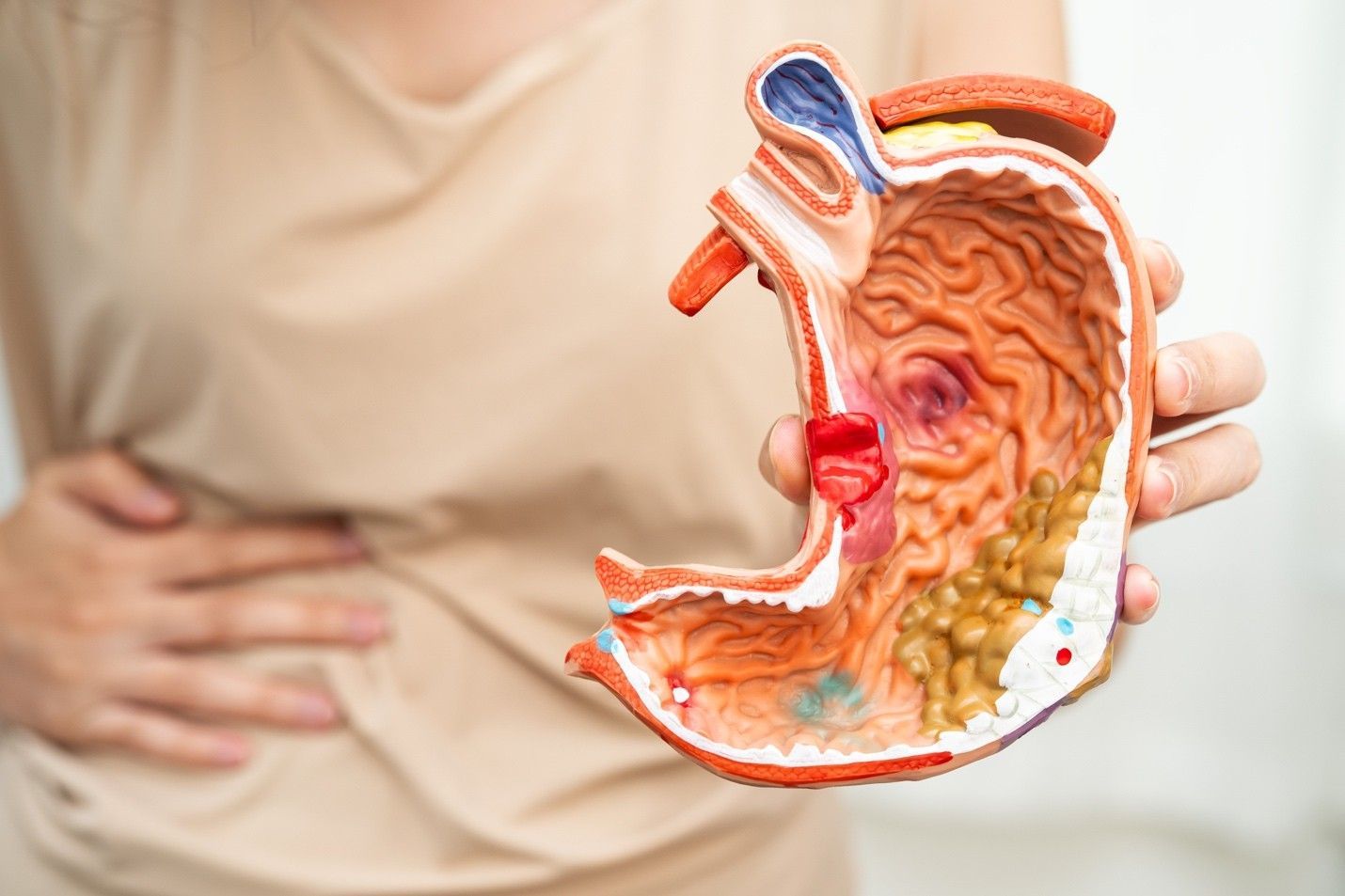
Gastritis is the inflammation of the stomach lining, which can be acute (sudden onset) or chronic (develops gradually over time). The inflammation can lead to various symptoms and, in severe cases, may cause ulcers or increase the risk of stomach cancer.
What Are Peptic Ulcers?
Peptic ulcers are sores that may appear in the esophagus, small intestine, or stomach. They can be painful and cause symptoms like burning stomach pain, bloating, heartburn, and nausea.
Causes of Gastritis and Peptic Ulcers
Once you understand the fundamental causes of gastritis and peptic ulcers, you can get down to treating them that much more effectively, and can also try to prevent them from happening.
Here are some of the key factors driving these common digestive issues:
Bacterial Infections
The most common cause of gastritis and peptic ulcers is infection with Helicobacter pylori, or H. pylori, bacteria. This bacterium damages the protective mucous lining of the stomach and small intestine, allowing acid to create sores and inflammation.
Regular Use of Certain Medications
Nonsteroidal anti-inflammatory drugs (NSAIDs), such as ibuprofen and aspirin, can irritate the stomach lining and develop gastritis and peptic ulcers. Long-term use or high doses of these medicines can increase the risk significantly.
Excessive Alcohol Consumption
Alcohol can erode the stomach lining, making it more vulnerable to digestive acids. Chronic alcohol use is a well-known risk factor for both gastritis and peptic ulcers.
Stress and Diet
While stress and spicy foods do not directly cause ulcers, they can intensify symptoms. Stress can increase stomach acid production, while certain foods irritate the lining.
Autoimmune Disorders
In autoimmune gastritis, the immune system mistakenly attacks the stomach lining cells, leading to chronic inflammation. This condition is often associated with other autoimmune diseases, such as type 1 diabetes and Hashimoto's thyroiditis.
Symptoms of Gastritis and Peptic Ulcers
Gastritis and peptic ulcers tend to have the same symptoms, some of which are classified as common while others are known as severe symptoms. If you have any of the severe symptoms, it’s best to consult a healthcare professional quickly for relief.
For gastritis and peptic ulcers, the most common symptoms are the following:
- Abdominal Pain: Both conditions commonly cause gnawing or burning pain in the upper abdomen. This pain may improve or worsen with eating.
- Nausea and Vomiting: These symptoms are frequently associated with gastritis and can occur with peptic ulcers, mainly if they cause severe irritation.
- Bloating and Fullness: A feeling of fullness in the upper abdomen after eating is common with gastritis.
- Heartburn: Gastritis and peptic ulcers can cause a burning sensation in the chest due to acid reflux.
The more severe symptoms that might present themselves are:
- Vomiting Blood: This can indicate a bleeding ulcer and requires immediate medical attention.
- Black or Tarry Stools: Blood in the digestive tract from a bleeding ulcer can cause stools to appear black and tarry.
- Unexplained Weight Loss: Persistent stomach pain and nausea can reduce appetite and cause weight loss.
- Difficulty Breathing: Severe discomfort and complications from ulcers can cause breathing difficulties.
Complications of Gastritis and Peptic Ulcers
Gastritis and peptic ulcers, if left untreated, can precipitate serious complications, underscoring the importance of timely intervention. Here's a closer look at the potential after-effects:
Peptic Ulcers
Peptic ulcers can lead to significant complications if left untreated:
Bleeding Ulcers
These occur when an ulcer erodes into a blood vessel, leading to internal bleeding. Symptoms include vomiting blood and black or tarry stools. Severe cases may require blood transfusions or endoscopic procedures to stop the bleeding.
Perforation
An ulcer can create a hole in the stomach or intestinal wall, leading to peritonitis, a severe and potentially life-threatening abdominal cavity infection. An immediate surgical intervention is necessary.
Obstruction
Ulcers located at the end of the stomach can cause swelling and scarring, leading to a blockage that prevents food from passing through the digestive tract. Symptoms include severe vomiting and weight loss. The blockage may need to be surgically removed.
Gastritis
Chronic gastritis can lead to various complications over time:
Atrophic Gastritis
This condition involves thinning the stomach lining and loss of gastric glands, reducing stomach acid and enzyme production. The chance of stomach cancer may rise as a result.
Anemia
Chronic gastritis, particularly autoimmune gastritis, can impair the stomach's ability to absorb vital nutrients such as vitamin B12 and iron, leading to pernicious and iron-deficiency anemia.
Gastric Polyps
Long-term inflammation can cause the development of small growths on the stomach lining. Although the majority are benign, some can develop into cancer.
Stomach Cancer
Chronic H. pylori infections and autoimmune gastritis increase the risk of developing stomach cancer, including adenocarcinoma and MALT lymphoma.
Diagnosis of Gastritis and Peptic Ulcers
Here's a breakdown of the standard diagnosis methods associated with these gastrointestinal conditions:
Medical History and Physical Examination
Healthcare professionals start with a thorough medical history and physical examination. They look for symptoms, medication use, and lifestyle factors that may contribute to gastritis or peptic ulcers.
Diagnostic Tests
These tests are then done for ease of diagnosis:
- H. pylori Tests: These include stool, breath, and blood tests to detect the presence of H. pylori bacteria. The breath test involves drinking a liquid containing radioactive carbon and measuring its concentration in the breath after digestion.
- Endoscopy: This procedure involves inserting a thin, flexible tube with an endoscope (camera) down the throat to examine the stomach and small intestine. The doctor can identify inflammation and ulcers and take tissue samples (biopsies) if needed.
- X-ray: An upper gastrointestinal series involves drinking a barium solution that coats the digestive tract, making ulcers visible on X-rays.
Treatment of Gastritis and Peptic Ulcers
Treating gastritis and peptic ulcers involves a versatile approach aimed at curing symptoms, promoting healing, and addressing underlying causes. Here are the primary treatment modalities:
Medications
Medications such as the following are suggested:
- Antibiotics: A combination of medicines is administered to remove the H. pylori infection if it is present. Common regimens include clarithromycin, amoxicillin, and metronidazole.
- Proton Pump Inhibitors (PPIs): These medications reduce stomach acid production, promoting healing. Examples include omeprazole, esomeprazole, and lansoprazole.
- H2 Receptor Antagonists: These drugs also reduce acid production but are less potent than PPIs. Examples include ranitidine and famotidine.
- Antacids: These neutralize existing stomach acid and provide quick symptom relief. Usually, they are used together with other medical interventions.
- Cytoprotective Agents: These medications, such as sucralfate, help protect the stomach lining and promote healing.
Surgical Interventions
In rare cases where ulcers do not heal with medication or complications such as bleeding occur, surgery may be necessary. Procedures include vagotomy (cutting the nerve that controls acid production), partial gastrectomy (removal of part of the stomach), and pyloroplasty (widening the opening between the stomach and small intestine).
Preventive Measures for Gastritis and Peptic Ulcers
Preventing gastritis and peptic ulcers relies on adopting proactive measures that promote digestive health and minimize risk factors. Here are vital preventive strategies to consider:
Healthy Lifestyle Choices
Something as simple as these lifestyle choices can greatly help those who want to avoid gastritis and peptic ulcers:
- Balanced Diet: Eating a diet rich in fruits, vegetables, and whole grains can support overall digestive health.
- Moderate Alcohol Intake: Limiting alcohol consumption can reduce the risk of gastritis and peptic ulcers.
- Avoid Smoking: Smoking increases stomach acid production and reduces the protective mucus lining, making ulcers more likely.
Safe Medication Practices
If you need to take NSAIDs, use the lowest effective dose for the shortest duration. Consider alternatives, like acetaminophen, for pain relief. If long-term NSAID use is necessary, your doctor may prescribe PPIs or H2 receptor antagonists to protect your stomach lining.
Stress Management
Deep breathing, progressive muscle relaxation, and mindfulness can reduce stress and its effects on the digestive system. The endorphins gained from physical activity also improve overall well-being and reduce stress levels.
Monitoring and Regular Check-Ups
Regular check-ups with your healthcare provider can help detect and manage conditions like H. pylori infection early. Seeking medical advice at the first sign of symptoms can prevent complications and ensure timely treatment as well.
Education and Awareness
Awareness of the risk factors for gastritis and peptic ulcers can help you make informed decisions about your health. Recognizing the symptoms of these conditions can also prompt early medical consultation and intervention.
Final Words
Gastritis and peptic ulcers are manageable conditions with proper care and lifestyle adjustments. Individuals can significantly reduce their risk and improve their digestive health by making informed choices and adopting healthy habits. Regular consultations with healthcare professionals and adherence to prescribed treatments are also a great way to manage these gastrointestinal issues.
At
Northlake Gastroenterology, we specialize in treating gastritis and peptic ulcer complications, offering expert care to manage these conditions effectively.
Schedule an appointment with us to learn more!
More Blogs