
The Gut-Brain Connection: How Digestion Affects Mental Health

The Gut-Brain Connection: How Digestion Affects Mental Health
Digestive health affects more than just how your body processes food - it also plays a vital role in emotional and mental health. Many patients are surprised to learn how closely the gut and brain are connected. Occasional digestive discomfort is normal, but continuous gastrointestinal (GI) symptoms linked with stress, anxiety, or mood swings might point to a deeper problem. At Northlake Gastroenterology Associates, we are determined to help everyone understand and manage the connection between digestive and overall well-being.
Common Symptoms Linked to the Gut-Brain Connection
The gut and brain communicate continually, which means digestive issues can possibly appear alongside mental health symptoms. Some popularly reported concerns include:
• Abdominal pain or cramping
• Bloating and gas
• Altered bowel habits like constipation or diarrhea
• Nausea or appetite loss
• Sleepiness or low energy
• Increase in stress, anxiety, or mood swings
When these symptoms appear together or continue over time, they may signify an imbalance within the digestive system, which impacts mental health.
Understanding the Gut-Brain Relationship
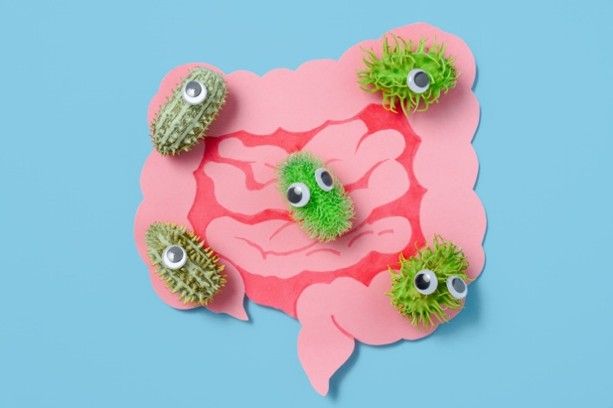
The digestive system and brain are connected through complex communication systems known as the gut-brain axis. This network depends on nerves, hormones, and the gut microbiome - trillions of bacteria that are found in the digestive tract.
Several key factors highlight this link:
• The gut produces a large portion of serotonin, a neurotransmitter that affects mood
• An imbalance in gut bacteria contributes to anxiousness and depression
• Inflammation in the digestive tract may alter brain function and emotions
• Poor digestion impacts nutrient absorption, which is essential for better brain function
Due to this connection, digestive disorders and mental health issues often overlap and are recommended to be evaluated together.
Conditions Commonly Associated with the Gut-Brain Axis
Several digestive conditions could be linked to stress or mental health symptoms. Common conditions include:
• Irritable bowel syndrome (IBS), commonly associated with stress-related symptom flare-ups
• Gastroesophageal reflux disease (GERD), which worsens with anxiety
• Functional dyspepsia, causing discomfort in the upper abdomen
• Inflammatory bowel disease (IBD), like Crohn’s disease or ulcerative colitis
• Food sensitivities that impact both digestion and well-being
Locating the root cause of symptoms is important, as effective treatment requires an accurate diagnosis.
Comprehensive Evaluation and Diagnosis
Northlake Gastroenterology Associates’ care begins with a comprehensive study of symptoms, medical history, and lifestyle choices. Evaluating both physical and emotional contributors paints a more complete picture of digestive health.
Diagnostic testing may include lab tests, imaging, upper endoscopy, or colonoscopy. These help us identify underlying conditions and guide the most appropriate treatment approaches.
Personalized Treatment for Digestive and Mental Wellness
Treatment plans are individualized to each patient’s requirements and may include:
• Dietary changes to back a healthy gut microbiome
• Medication management for digestive problems
• Lifestyle alterations, including stress reduction strategies
• Consistent monitoring for chronic digestive conditions
Addressing both digestive symptoms and contributing lifestyle factors commonly leads to better long-term outcomes and improved quality of life.
When to Seek Gastroenterology Care
Consider scheduling a visit if symptoms:
• Persist for several weeks or months
• Get worse as time rolls on
• Interfere with daily activities or rest
• Occur with accompanied stress, anxiety, or fatigue
• Result in unexplained weight loss or other concerning changes
Early evaluation can help prevent complications and grant relief sooner.
Trusted Care at Northlake Gastroenterology Associates
With Northlake Gastroenterology Associates, patients receive a comprehensive, patient-focused approach to digestive health. By addressing the gut-brain link, we help patients better understand their symptoms and achieve lasting improvements in both their physical and mental well-being.
If digestive concerns or related symptoms are impacting your daily life, our team is here to help guide you toward better health.
More Blogs