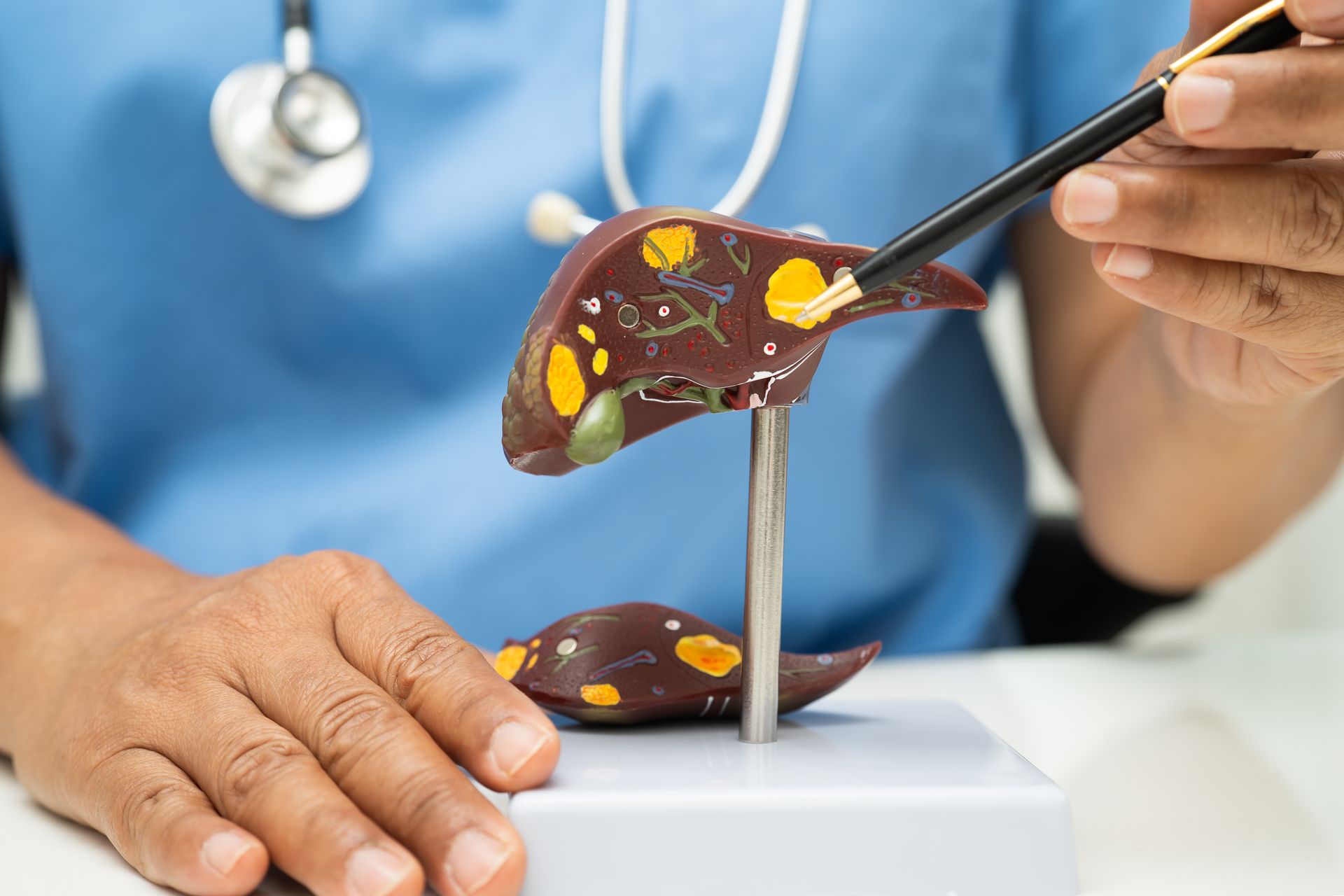

Leaky Gut Syndrome: Myth or Medical Condition?
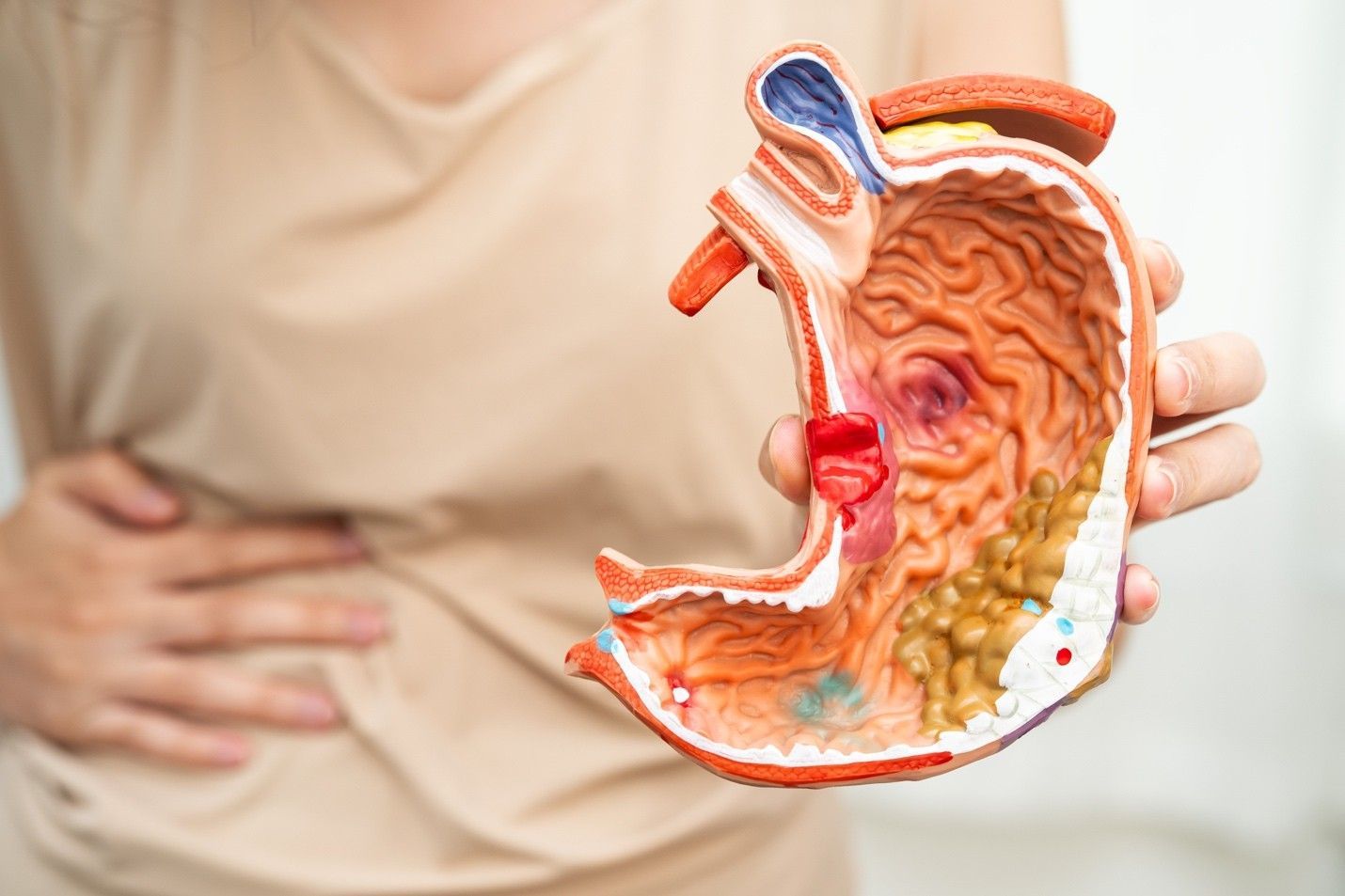
Digestive health research continues to evolve, often leading to confusing terminology. “Leaky gut syndrome” has recently attracted attention, though its status as a defined medical condition remains debated. At Northlake Gastroenterology Associates, we strive to clarify the science and help patients understand how intestinal health affects general wellness.
Common Symptoms Attributed to Leaky Gut
Leaky gut refers to increased intestinal permeability, in which the small intestine lining allows substances such as toxins, microbes, or undigested food particles to enter the bloodstream. Patients who suspect leaky gut often report symptoms such as:
• Bloating and gas
• Abdominal discomfort
• Food sensitivities
• Fatigue or brain fog
• Skin issues like rashes or acne
• Joint pain or inflammation
These symptoms are genuine and can affect quality of life, but they are not unique to any one condition and may overlap with those of other digestive or systemic disorders.
Understanding Intestinal Permeability
The intestinal lining serves as a barrier, regulating what enters the bloodstream. Increased intestinal permeability occurs when tight junctions in the gut lining weaken, allowing substances to flow through more easily.
Several factors may contribute to this process:
• Chronic inflammation in the digestive tract
• Infections or imbalances in gut bacteria
• Poor diet, especially high in processed foods
• Prolonged stress
• Certain medications, including frequent NSAID intake
Although increased permeability is recognized in medical research, “leaky gut syndrome” is not widely accepted as a formal diagnosis. It is typically viewed as a feature or contributing factor in other conditions.
Conditions Associated with Increased Gut Permeability
Rather than existing as a standalone diagnosis, intestinal permeability is commonly linked to established medical conditions, including:
• Irritable bowel syndrome (IBS)
• Inflammatory bowel disease (IBD), such as ulcerative colitis or Crohn’s
• Celiac disease
• Food allergies or sensitivities
• Specific autoimmune disorders
In these cases, focusing on the underlying condition is necessary to improve gut integrity and reduce symptoms.
In-depth Evaluation and Diagnosis
At Northlake Gastroenterology Associates, we begin with a thorough review of symptoms, dietary habits, and medical history. Because symptoms linked to leaky gut overlap with many conditions, accurate diagnosis is essential.
Testing may involve blood work, stool studies, imaging, or endoscopic procedures to identify inflammation, infection, or structural abnormalities. This ensures treatment is evidence-based.
Individualized Treatment for Gut Health
Treatment works to restore digestive balance and treat underlying conditions. Plans may include:
• Diet modifications to reduce inflammation and support gut health
• Probiotics or prebiotics to improve microbiome balance
• Medications for diagnosed digestive disorders
• Stress management techniques
• Avoidance of trigger foods or medications when appropriate
A targeted, individualized approach often provides more effective, lasting symptom relief.
When to Seek Gastroenterology Care
Consider scheduling an evaluation if symptoms:
• Continue despite dietary or lifestyle changes
• Disturb daily activities
• Include chronic abdominal pain or bowel changes
• Are accompanied by fatigue, weight loss, or inflammation
• Raise concern for underlying digestive disease
Early assessment helps recognize the root cause and prevent complications.
Trusted Care at Northlake Gastroenterology Associates
At Northlake Gastroenterology Associates, we emphasize evidence-based care and stay up to date on emerging research in digestive health. Although “leaky gut syndrome” is not a formal diagnosis, the concept stresses the importance of intestinal health and its impact on the body. Our team is devoted to directing patients with clarity, accuracy, and customized care for lasting digestive wellness.
More Blogs