
Foods to Avoid When Prone to Heartburn

Heartburn, caused by acid reflux, results in a burning sensation that rises from your chest to your throat. While the condition can disrupt your daily life, dietary changes can help reduce its effect and bring relief.
Read on for everything you need to know about heartburn, including a list of foods and beverages that may contribute to heartburn, as well as other tips to help reduce the sting of heartburn.
What Causes Heartburn?
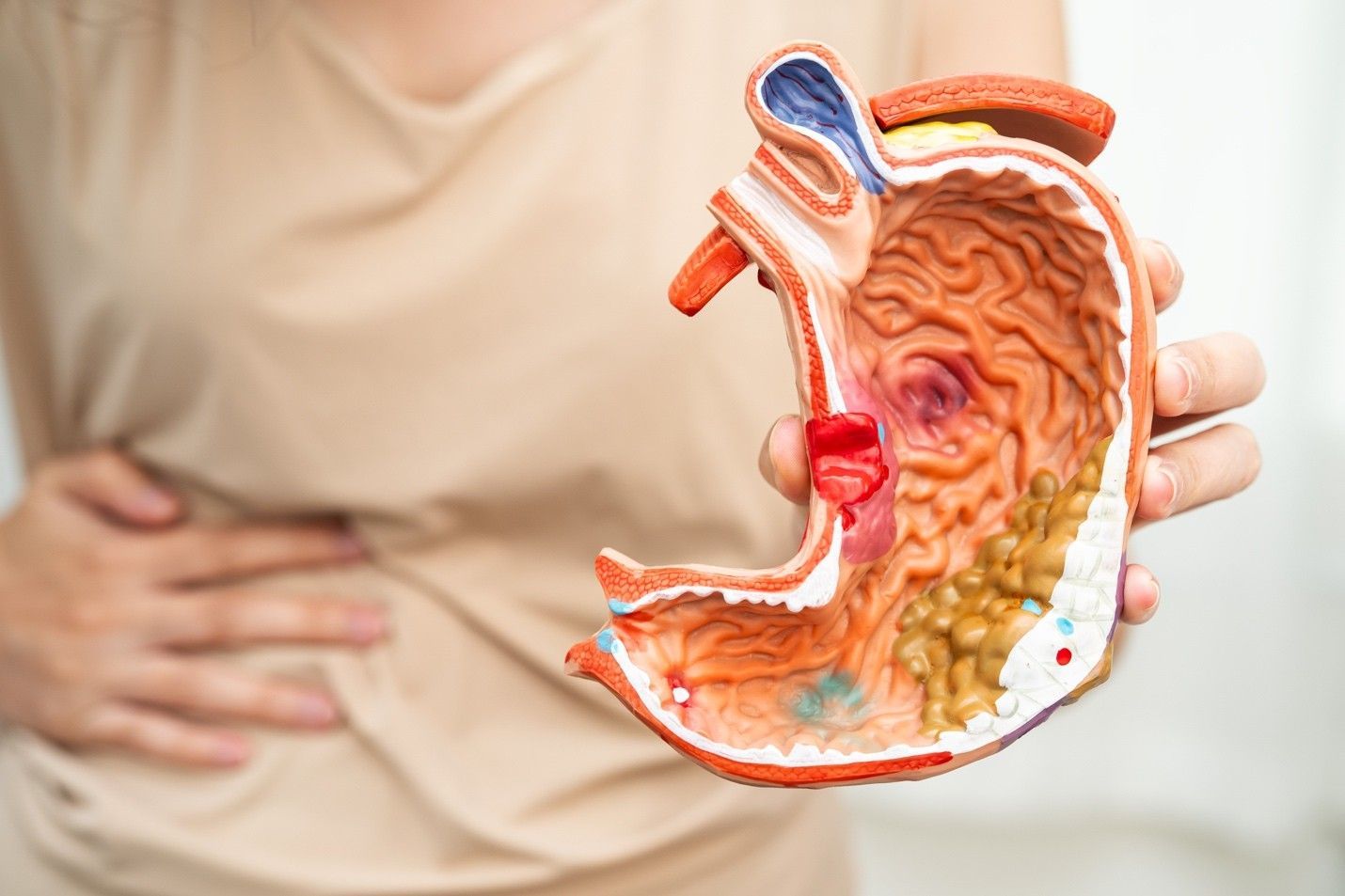
Heartburn, medically known as pyrosis, occurs when stomach acid backs up into the esophagus, the tube connecting your mouth to your stomach. This backflow irritates the delicate lining of the esophagus, causing that characteristic burning sensation. The reason this backflow of stomach acid occurs is because the lower esophageal sphincter (LES), a valve that acts as a gateway between your esophagus and stomach, doesn't close tightly enough. When this valve fails to seal properly, acidic contents from the stomach can rise, leading to a burning sensation in the chest and throat, as the esophagus cannot handle the acidity.
If you experience heartburn regularly, you're not alone, since
around 10% of US adults suffer daily attacks. The cause for most of the attacks can be traced back to certain foods and drinks that can relax the LES, making it easier for acid to reflux. Additionally, some people are more susceptible to the condition due to factors like obesity, pregnancy, and certain medications.
Heartburn vs. Acid Reflux vs. Gastroesophageal Reflux Disease (GERD)
It’s easy to confuse heartburn with acid reflux and GERD, but they are distinct, though related, conditions. Here's a breakdown of all three to help you differentiate:
- Heartburn is a symptom. It's that painful, burning sensation in your chest, often after eating or when lying down.
- Acid reflux is when stomach acid flows back into the esophagus, triggering heartburn.
- GERD is a severe, chronic form of acid reflux. People with GERD may experience frequent heartburn, trouble swallowing, and even chest pain that can mimic heart attack symptoms.
While occasional heartburn is usually nothing to worry about, regular episodes can suggest acid reflux or GERD, both of which require more focused management.
Foods to Avoid
When you’re prone to heartburn, you should pay close attention to your diet. Some foods increase stomach acid, while others relax the LES, making it easier for acid to slip into the esophagus. Avoiding or limiting these foods can drastically reduce heartburn occurrences:
Citrus Fruits and Juices
The high acidic content of fruits like oranges, limes, and grapefruits can irritate your esophagus, especially if you're already prone to heartburn. Orange juice or lemonade may seem refreshing, but they can trigger the condition for many people. If you’re craving fruit, try non-citrus options like bananas, apples, or melons.
Tomatoes and Tomato-Based Products
While tomatoes provide nutrients, they are also quite acidic in nature. You should avoid all tomato-based products like sauces, ketchup, and salsas. Even a small amount of tomato can trigger heartburn, especially in pasta dishes or pizzas. Consider non-tomato-based sauces, such as pesto or olive oil-based varieties.
Chocolate
Both caffeine and theobromine, which are found in chocolate, can relax the LES. Dark chocolate, in particular, is rich in both of these compounds. While avoiding the sweet treat completely might seem tough, limiting your intake can help reduce symptoms.
Spicy Foods
Chili peppers contain capsaicin, a compound that irritates the esophageal lining. Spicy foods, like those made with chili peppers or hot sauces, can worsen heartburn. Instead, choose milder sauces, such as sweet chili, teriyaki, or ranch. Try milder chili peppers like paprika or ancho if you like the heat.
Caffeinated Drinks
While not a universal trigger, coffee, tea, and other caffeinated beverages can trigger stomach acid production. If you’re a coffee lover, you can limit yourself to one serving daily or opt for decafs and other non-caffeinated teas.
Fried Foods
Foods high in fat, like fried chicken, burgers, and French fries, tend to linger longer in the stomach. This slows digestion, increasing the likelihood of stomach acid creeping into the esophagus. Instead, opt for lean proteins like grilled chicken or fish and bake or broil foods rather than frying them.
Onions and Garlic
While onions and garlic are flavorful, their strong sulfur content can trigger heartburn. The small intestine can also struggle to absorb the high levels of fructan in both ingredients. Avoid eating large amounts of onions, particularly raw ones. You can try lowering their intake by substituting them with sweet onions, scallions, or fennel.
Peppermint
Peppermint is often touted as a digestive aid, but it can have the opposite effect for those prone to heartburn. Peppermint relaxes the LES, which can worsen heartburn symptoms. This goes for anything mint-flavored, including teas and candies. If you enjoy herbal teas, opt for ginger or chamomile instead.
Alcohol and Carbonated Beverages
Alcoholic beverages like cocktails contain the acidic compounds ethanol and acetic acid that exacerbate symptoms. If you’re socializing, try to pace yourself and avoid drinking on an empty stomach.
In addition, the bubbles in carbonated drinks like sodas, sparkling water, and even beer can expand in your stomach, leading to bloating and increased pressure on the LES. This makes it easier for acid to escape into the esophagus. Try still water or flat beverages to avoid the carbonation effect.
Dairy Products
Full-fat dairy products like whole milk, cheese, and ice cream can cause heartburn for some. Their high fat content slows digestion and can trigger acid reflux. If these foods are a trigger for you, try lower-fat options like skim milk or low-fat yogurt. However, be aware that even low-fat dairy can cause issues for some, so it may be worth testing your tolerance.
Effect of Drugs
In addition to foods, some drugs can also irritate the stomach and gastric systems. Here’s a closer look at some common drugs that can contribute to heartburn:
- Antibiotics: Some antibiotics, such as tetracyclines and clindamycin, can irritate the esophagus directly and lead to inflammation. This irritation can exacerbate heartburn symptoms, especially if the medication is taken without enough water or on an empty stomach. To reduce this risk, make sure to take antibiotics as directed, preferably with food and plenty of water, unless instructed otherwise by your doctor.
- Aspirin: Aspirin, along with other NSAIDs like ibuprofen and naproxen, is commonly used to relieve pain and reduce inflammation. For individuals prone to heartburn, regular NSAID use can lead to frequent flare-ups. You might want to consult your doctor about alternatives or the possibility of using a stomach-protecting medication alongside NSAIDs.
- Supplements: Certain dietary supplements, such as iron and potassium, are essential for overall health, but they can also be harsh on the digestive tract. Iron supplements, in particular, are known to cause gastrointestinal distress, including nausea, constipation, and heartburn. The acidity of iron pills can irritate the esophagus, especially if taken without food.
If you experience frequent heartburn and are taking any of these medications, it’s important to talk to your healthcare provider. They can offer alternatives, adjust your dosage, or suggest ways to mitigate side effects.
Lifestyle Changes to Prevent Heartburn
Avoiding certain foods is a good start, but making fundamental lifestyle changes can further reduce your heartburn risk.
- Eat Smaller Meals: When you eat too much at once, the stomach becomes overfilled, and pressure on the LES increases. By eating smaller, more frequent meals, you reduce this pressure and lower your risk of heartburn.
- Avoid Eating Before Bed: Eating late at night is one of the most common heartburn triggers. Lying down too soon after a meal can make it easier for stomach acid to travel up into the esophagus. Try to finish your meals at least 2-3 hours before lying down or sleeping.
- Elevate the Head of Your Bed: Raising the head of your bed by a few inches can help prevent stomach acid from flowing into the esophagus while you sleep. You can use blocks or purchase a wedge pillow for elevation.
- Maintain a Healthy Weight: Excess weight, particularly around the abdomen, puts pressure on the stomach, increasing the risk of acid reflux and heartburn. Losing weight and maintaining a healthy BMI can help alleviate these symptoms.
- Quit Smoking: Smoking weakens the LES, making it more likely for stomach acid to flow back into the esophagus.
How Can a Gastroenterologist Help?
While occasional heartburn is usually manageable with diet and lifestyle changes, chronic refluxes or GERD may require medical intervention. A gastroenterologist can offer a range of treatments, from lifestyle and dietary advice to medications that reduce acid production or strengthen the LES. In more severe cases, they may suggest procedures that can help prevent acid reflux.
Early intervention is key to preventing complications like esophagitis,
ulcers, or even esophageal cancer, so don't hesitate to consult a doctor if you're struggling with heartburn.
Our team at
Northlake Gastroenterology Associates can help you with your heartburn concerns. We specialize in diagnosing and treating a range of digestive disorders, including those that cause heartburn.
Contact us today at
(985) 542-1334 to request an appointment!
More Blogs