
Stress and Exercise’s Role in Gut Health

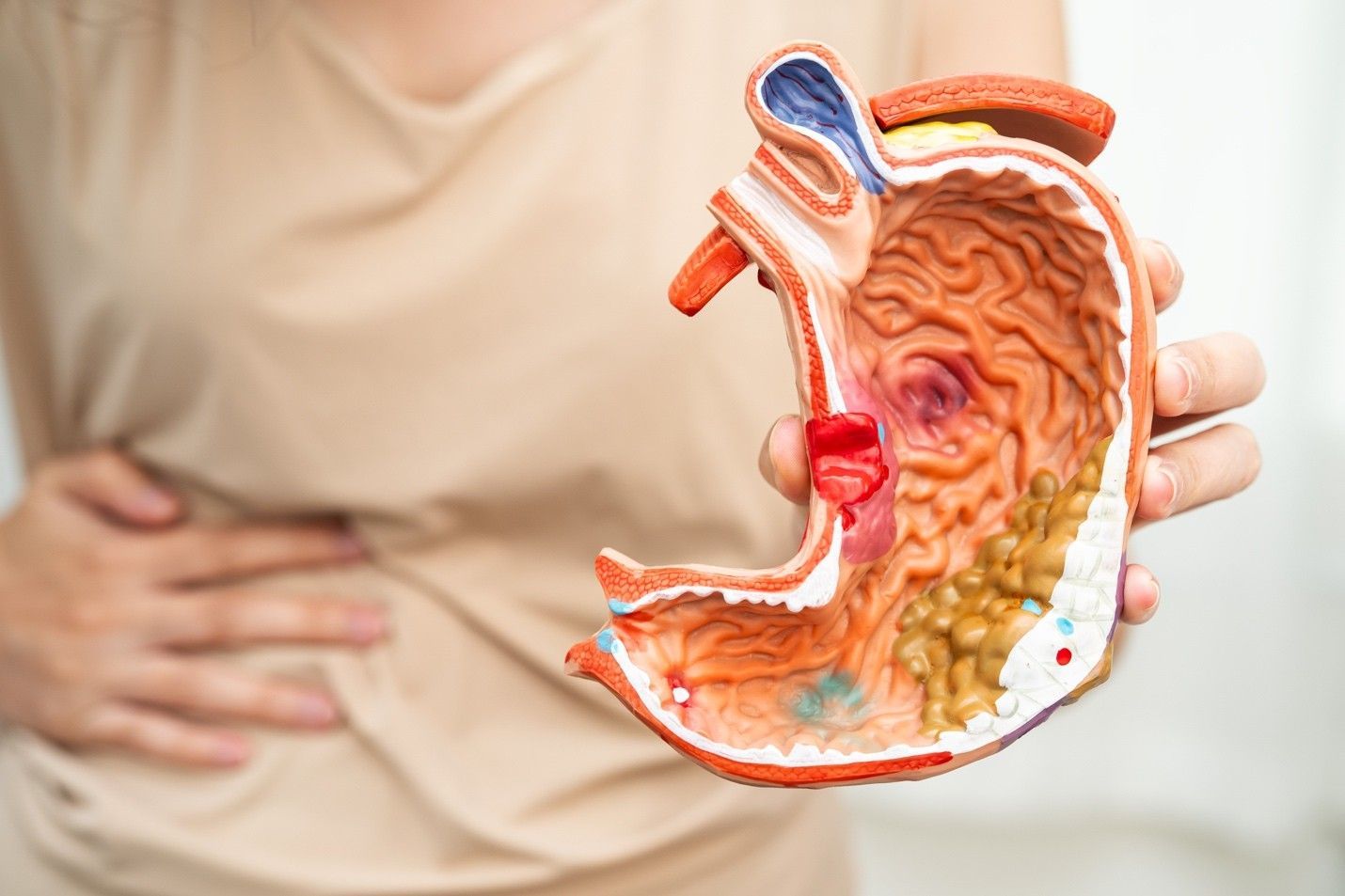
Gut health is an intricate system that’s influenced by a variety of internal and external factors. While stress often disrupts the gut microbiome and creates imbalances, exercise has the potential to boost gut function and resilience.
If you're experiencing gastrointestinal issues, understanding these relationships can empower you to take actionable steps.
How Does Stress Impact Gut Health?
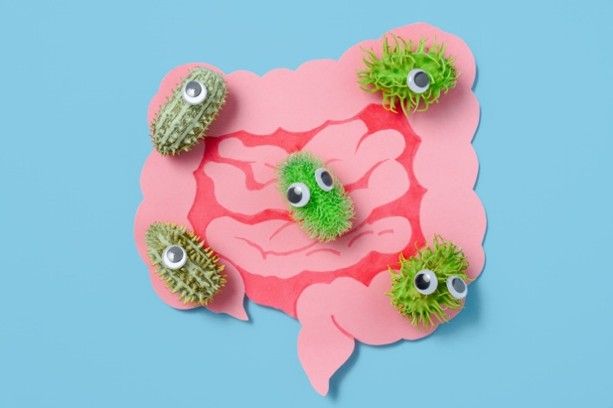
Your body secretes hormones like adrenaline and cortisol in response to stress. These changes disrupt the delicate balance of gut bacteria. This can negatively impact your gut’s function and interfere with your digestive system as well.
Gut-Brain Axis Disruption
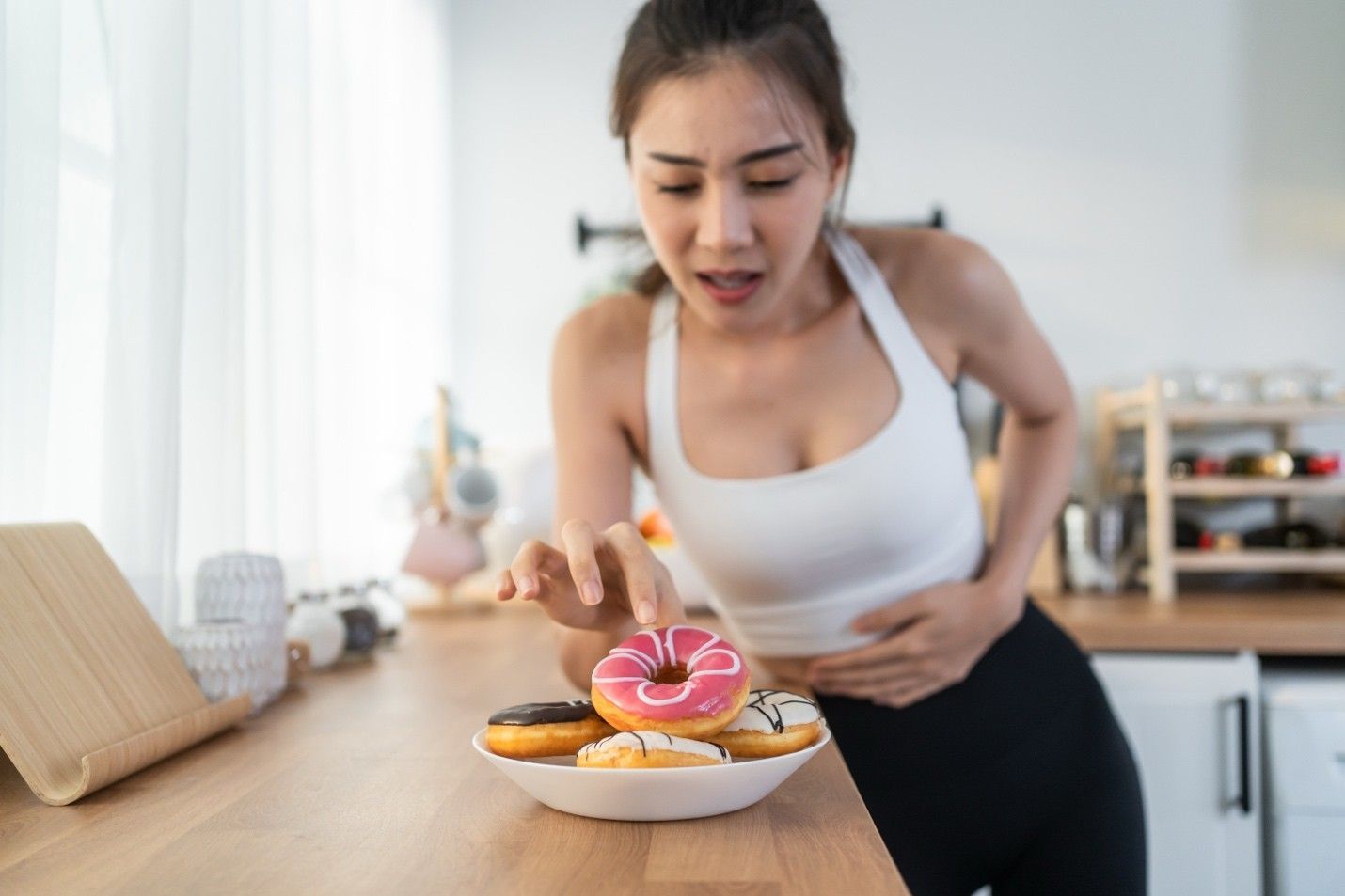
Your gut and brain communicate through the gut-brain axis, a bidirectional system involving nerves, hormones, and microbiota. Stress disrupts this communication, often leading to digestive discomfort such as bloating, pain, and irregular bowel movements.
It can also worsen symptoms of conditions like
irritable bowel syndrome (IBS) and trigger flares in inflammatory bowel disease (IBD). This in chronic conditions alters gut motility, which can either slow down digestion (causing constipation) or speed it up (leading to diarrhea).
Weakened Gut Barrier
Stress can compromise the integrity of the gut lining. This leads to increased intestinal permeability, allowing harmful substances to enter your bloodstream. This phenomenon, often referred to as "leaky gut," contributes to inflammation and other systemic health problems.
Moreover, when the stress hormone (cortisol) is released, it makes your gut more vulnerable to systemic inflammation, infections, and autoimmune conditions.
Autonomic Nervous System Disruption
The autonomic nervous system (ANS), which controls unconscious bodily functions such as heart rate, blood pressure, and digestion, is also influenced by stress. When the cortisol level rises, the sympathetic nervous system (the "fight or flight" response) takes over, resulting in reduced digestive function.
This can result in slowed gastric emptying, reduced digestive enzyme secretion, and impaired nutrient absorption. Additionally, it can increase gut motility, leading to symptoms like diarrhea or constipation.
How Can Exercise Boost Your Gut Health Naturally?
Exercise can help maintain and improve your gut function significantly when you do it strategically. Regular physical activity positively influences the gut microbiome, helping to restore balance and support optimal digestive function.
Increased Microbial Diversity
Exercise encourages the growth of beneficial gut bacteria, such as Firmicutes, Bacteroidetes, and Prevotella, that increase the diversity of your microbiome. A diverse microbiome protects against conditions such as IBS, Crohn’s disease, and other gastrointestinal issues. Even moderate physical activity, like brisk walking or yoga, can boost the microbiome’s composition.
Promoting Gut Motility
Exercise increases intestinal motility, which aids in the movement of food through the digestive tract. This helps alleviate symptoms of constipation, which are often aggravated by stress.
Additionally, physical activity stimulates the secretion of digestive enzymes, improving nutrient absorption and overall digestive efficiency. Enhanced motility also ensures that the gut doesn’t become a breeding ground for harmful bacteria, which thrive in slow-moving digestive systems.
Reducing Inflammation
By promoting the production of short-chain fatty acids (SCFAs) like butyrate, the byproducts of healthy gut bacteria, you can strengthen the gut lining and support immune health. Inflammatory cytokines, which are typically elevated during stress, are decreased with consistent exercise. This anti-inflammatory effect not only supports your gut health but also lowers the risk of developing chronic conditions like IBD or colorectal cancer.
Balancing Stress and Exercise for Optimal Gut Health
Overexertion or extreme physical strain can intensify the effects of prolonged stress, particularly by elevating cortisol levels further. The goal is to engage in consistent, moderate-intensity exercise without overtraining. Here are some of the key considerations that you should consider to strike a balance between these two factors:
- High-intensity Workouts: These may add to your body’s strain, particularly in individuals who are already experiencing high levels of stress. Low to moderate exercise, such as yoga, walking, or swimming, is ideal, as it provides support by not overstimulating the body’s stress response.
- Mind-Body Practices: Integrating stress-relieving practices such as meditation, deep breathing, and mindfulness during exercise helps balance the physical and psychological response, improving overall health outcomes.
- Adequate Recovery: Ensuring proper rest between workouts is helpful when it comes to avoiding overtraining syndrome, which can undermine the benefits of exercise. Overtraining not only increases cortisol levels but can also lead to immune system suppression, further compromising your health.
Dietary and Lifestyle Recommendations for Supporting Your Gut Health
Improving your gastric health requires a multi-faceted approach. A well-planned dietary and lifestyle change to complement your exercise routine can counteract the effects of stress from your daily life.
Incorporate Probiotics and Prebiotics
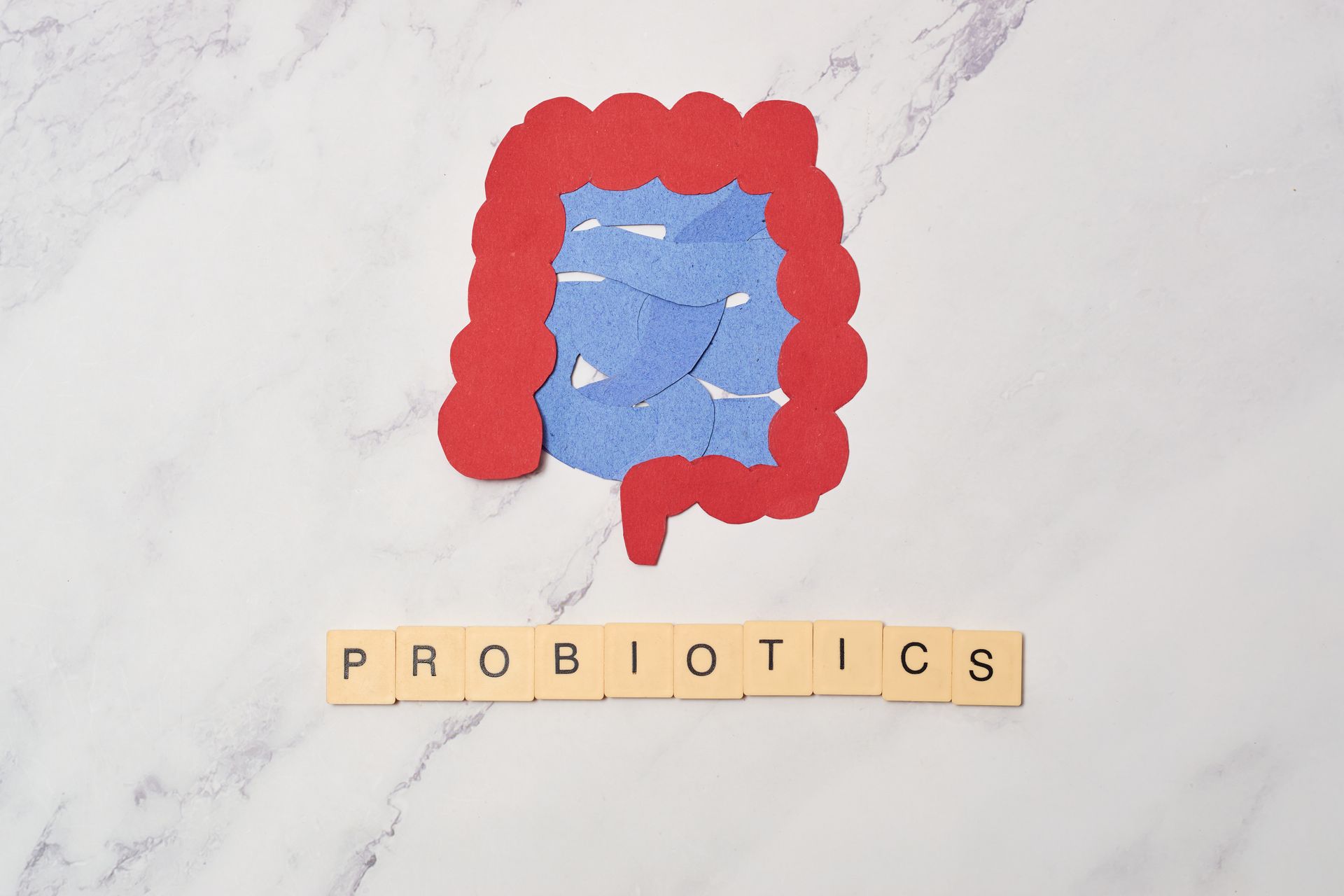
Have foods rich in probiotics, such as yogurt, kefir, and fermented vegetables, which introduce beneficial bacteria into your gut. Meanwhile, prebiotic foods like bananas, asparagus, and oats feed these bacteria, helping them thrive.
Avoid processed foods, added sugars, and artificial sweeteners, as they can disrupt gut balance and feed harmful bacteria.
Consume Polyphenol-Rich Foods
Polyphenols found in foods like berries, dark chocolate, green tea, and red wine (in moderation) have antioxidant properties that promote microbial diversity and reduce inflammation in the gut.
Prioritize Sleep
Poor sleep is linked to gut dysbiosis, a disruption in the microbiome. Aim to get 7–9 hours of quality sleep per night to benefit your gut and overall health.
Limit Artificial Sweeteners
Certain artificial sweeteners, like aspartame and sucralose found in beverages and snacks, can negatively impact gut bacteria, reducing microbial diversity and increasing the risk of inflammation. Opt for natural alternatives like honey or maple syrup when sweetening foods.
Focus on Omega-3 Fatty Acids
Fatty fish such as salmon, mackerel, and sardines are rich in omega-3 fatty acids, which have anti-inflammatory properties that support gut barrier integrity and promote microbial health.
Incorporate Bone Broth
Rich in collagen and amino acids like glutamine, bone broth can help repair the gut lining, making it a beneficial addition for individuals with increased intestinal permeability or inflammation.
Time Your Meals Strategically
Practice time-restricted eating, such as intermittent fasting, to allow your gut to rest and repair. Fasting periods can improve gut motility and microbial balance by giving your digestive system a break from constant activity.
Monitor Your Fiber Intake
While fiber is beneficial, excessive consumption can lead to bloating or discomfort in sensitive individuals. Adjust your fiber intake to your digestive tolerance and gradually increase it to maintain regularity.
Mind Your Alcohol Intake
Drinking too much alcohol can damage the intestinal lining and disturb the gut microbiota. If you consume alcohol, do so in moderation and pair it with a meal to reduce its impact on digestion.
Avoid Late-Night Eating
Eating close to bedtime can interfere with digestion and circadian rhythms, which also affect gut health. Allow at least 2–3 hours between your last meal and sleep to optimize digestive processes.
When Should You Seek Help?
Ignoring gut symptoms can lead to more severe health complications. So, recognizing when to consult a gastroenterologist is essential for preventing complications and ensuring timely treatment. Certain symptoms indicate underlying conditions that require professional evaluation and care. They include:
Persistent Abdominal Pain or Bloating
Recurring pain or discomfort may signal conditions such as IBS, gastritis, celiac disease, or intestinal obstructions. Chronic bloating could also indicate food intolerances, SIBO (small intestinal bacterial overgrowth), or malabsorption issues.
Frequent Diarrhea or Constipation
Consistent bowel irregularities, whether too frequent or infrequent, can disrupt nutrient absorption and overall health. They may point to conditions like IBD, colonic inertia, or motility disorders. Addressing these symptoms early prevents more severe complications.
Unexplained Weight Loss
A sudden drop in weight without changes in diet or activity often signals malabsorption or inflammatory conditions such as Crohn’s disease, celiac disease, or even gastrointestinal cancers. Diagnostic tests can identify the underlying cause for proper intervention.
Blood in Stool
The presence of blood, whether visible or microscopic, is always concerning. It may indicate conditions ranging from hemorrhoids and diverticulitis to more severe issues like colorectal cancer or ulcerative colitis. Immediate evaluation is necessary for accurate diagnosis.
The Role of Professional Care in Gut Health
The gastrointestinal system is highly complex, and proper diagnosis and treatment require expertise and tailored solutions. Whether you’re dealing with occasional digestive discomfort or chronic conditions, professional care makes certain that your health is in capable hands. Their expanded services for your gut health management involve:
Advanced Diagnostic Testing
Advanced diagnostic testing refers to procedures like colonoscopies, endoscopies, and imaging studies to assess gastrointestinal health. These minimally invasive tests help detect issues like polyps, ulcers, inflammation, or early signs of cancer, giving you clarity and a tailored treatment plan. These diagnostic tools not only pinpoint specific problems but also guide the creation of tailored treatment strategies.
- Colonoscopy: Crucial for colorectal cancer screening and diagnosing unexplained symptoms such as rectal bleeding or chronic diarrhea.
- Endoscopy: Used to identify upper digestive tract issues like GERD, ulcers, or swallowing difficulties.
- Non-invasive Tests: Includes stool studies and breath tests for bacterial overgrowth or food intolerances.
If you’re experiencing any of the symptoms above or are simply looking to improve your digestive wellness, our expert team at
Northlake Gastroenterology Associates is here to help. With our gastroenterologist’s in-depth insight, you'll have the right tools to regain control of your health.
Contact us today at
(985) 542-1334 to request an appointment!
More Blogs