
Gallbladder and Bile Duct Cancer Awareness Month
Gallbladder and bile duct cancers, though uncommon, are among the most aggressive and life-altering cancers affecting the digestive system. These cancers develop silently, often without noticeable symptoms, until they are advanced. Raising awareness about these conditions can lead to early detection and improved treatment outcomes, potentially saving lives.
Read on to learn how they affect health and the steps you can take to receive an effective diagnosis and treatment.
What Are Gallbladder and Bile Duct Cancers?
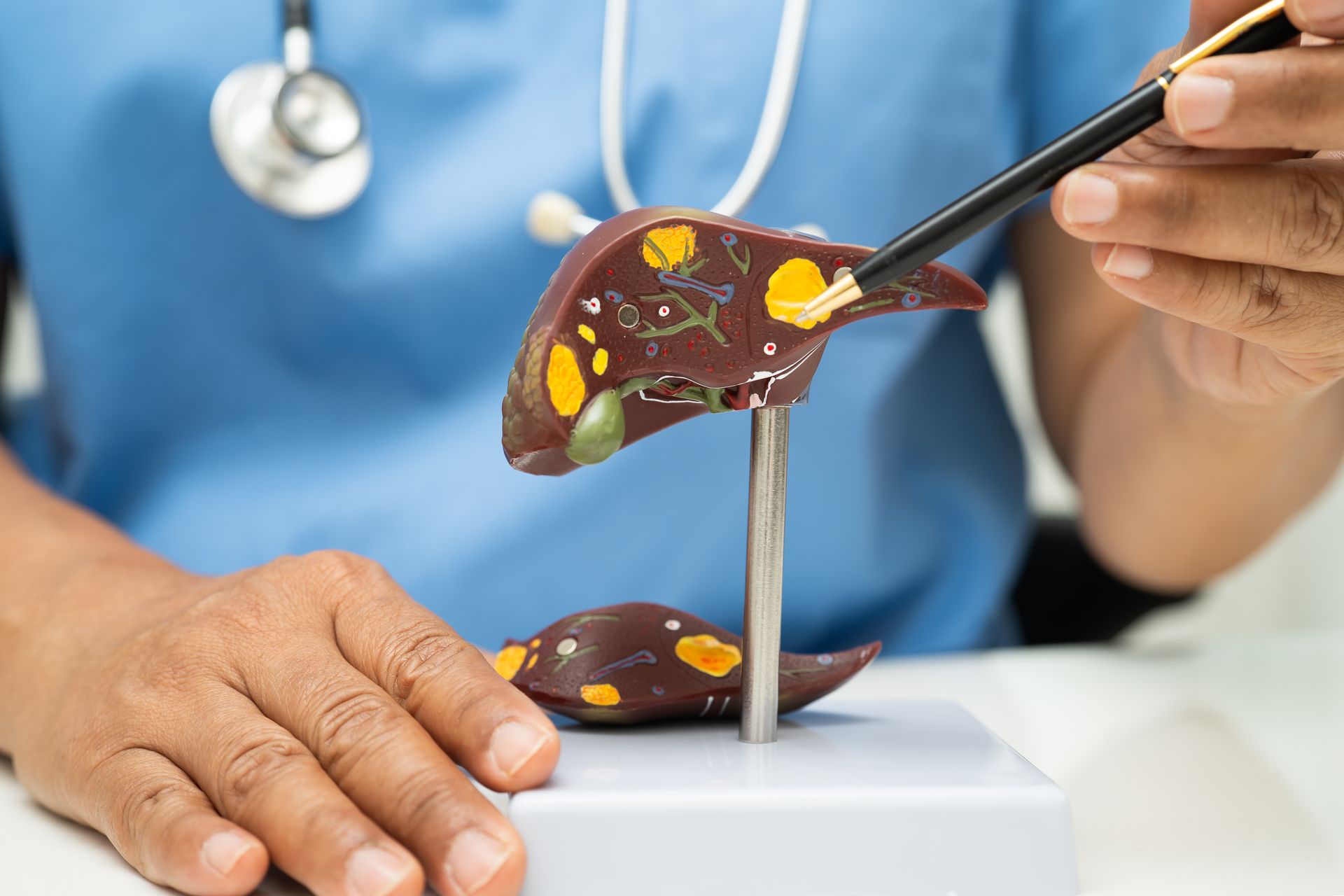
The gallbladder is a small organ located under the liver that is responsible for storing bile, a digestive fluid. The bile ducts are channels that transport bile from the liver to the intestines.
Gallbladder cancer develops in the cells of the gallbladder, a small, pear-shaped organ located beneath the liver. Its primary function is to store bile, which helps digest fats.
Gallbladder cancer often starts in the organ’s inner lining and grows outward.
This cancer is considered rare but dangerous because early symptoms are minimal or mimic less severe conditions like gallstones or indigestion. It is typically diagnosed in advanced stages when it has already spread to nearby organs such as the liver or pancreas.
Bile duct cancer (cholangiocarcinoma) occurs in the tubes (bile ducts) that connect the liver, gallbladder, and small intestine. These ducts are essential for transporting bile, a fluid that aids digestion. This type of cancer is classified based on its location:
- Intrahepatic Cholangiocarcinoma: Found within the liver.
- Extrahepatic Cholangiocarcinoma: Found outside the liver, often closer to the intestine.
The Impact of Gallbladder and Bile Duct Cancers on Health
Both gallbladder and bile duct cancers are aggressive and tend to spread quickly, emphasizing the importance of early detection. And their progression often leads to severe complications, such as:
Jaundice
Often one of the earliest and most noticeable symptoms, jaundice occurs when bile cannot flow properly due to blockages caused by tumors. This results in a buildup of bilirubin, leading to yellowing of the skin and eyes. Along with these yellowing symptoms, jaundice may cause pale stools, dark urine, and itching to occur as well.
Chronic Abdominal Pain
Tumor growth or bile duct obstruction frequently leads to persistent discomfort or sharp pain in the upper right abdomen. This pain can radiate to the back or shoulders, making daily activities challenging.
Bile Blockage
When bile flow is obstructed, the risk of cholangitis, a life-threatening infection, increases. Additionally, prolonged blockages can strain the liver, leading to scarring, inflammation, or even liver failure if untreated.
Digestive Problems
Disrupted bile flow interferes with fat digestion, leading to symptoms such as bloating, diarrhea, or greasy stools. Persistent nausea and vomiting further complicate the body’s ability to absorb essential nutrients.
Unintended Weight Loss
Beyond appetite loss, cancer-induced metabolic changes often result in significant weight loss. This can weaken the body, reduce energy levels, and impair the immune system’s ability to fight the disease.
Increased Risk of Blood Clots
Cancer can make the blood more prone to clotting, a condition known as hypercoagulability. This increases the risk of deep vein thrombosis (DVT) or pulmonary embolism, both of which can be life-threatening if not treated promptly.
Causes and Risk Factors
These are complex diseases, and while the exact causes are not fully understood, several risk factors have been identified. These risk factors increase the likelihood of developing these cancers, although having one or more does not guarantee that an individual will develop cancer:
Gallstones
When bile forms and hardens within the gallbladder, it becomes gallstones. Over time, these stones can cause irritation and inflammation of the gallbladder walls, leading to chronic conditions that increase the risk of cancer. The persistent inflammation from gallstones can create an environment that encourages abnormal cell growth, which may eventually result in cancer.
Porcelain Gallbladder
Porcelain gallbladder is a condition where the gallbladder wall becomes calcified, often as a result of chronic inflammation due to gallstones or other factors. Although relatively rare, porcelain gallbladder can be a significant risk factor, as the calcified walls may impair the organs’ function and promote cancerous changes.
Obesity
Excess body fat leads to increased inflammation and higher cholesterol levels, both of which are linked to gallbladder disease. The disruption in bile production and function can contribute to the development of gallstones and other conditions that increase cancer risk.
Advanced Age and Gender
Most cases of gallbladder cancer are diagnosed in individuals over the age of 65, as the risk increases with age. Additionally, women are more likely to develop this cancer than men, possibly due to hormonal factors such as higher estrogen levels. These factors, combined with anatomical differences, such as a wider gallbladder, may contribute to a woman’s increased vulnerability.
Family History and Genetics
Inherited conditions, such as Lynch syndrome or familial adenomatous polyposis (FAP), which increase the risk of colorectal cancers, have also been linked to a higher risk of developing these cancers. Those with a family history of gastrointestinal cancers should be especially vigilant about screenings.
Primary Sclerosing Cholangitis (PSC)
PSC is a rare and progressive liver disease that causes inflammation and scarring in the bile ducts. Any damage to this can block the flow of bile and lead to chronic inflammation, creating a higher likelihood of developing cancer. PSC is often associated with inflammatory bowel diseases such as ulcerative colitis, further compounding the risk of cancer.
Chronic Liver Disease
Conditions like hepatitis B and C and cirrhosis are well-established risk factors. Chronic inflammation of the liver and bile ducts, which is common in these diseases, can lead to the formation of scar tissue and abnormal cell growth.
Toxins and Chemicals
Long-term exposure to carcinogenic substances such as industrial chemicals, pesticides, and solvents has been linked to the tumor’s development. These toxins can cause genetic mutations and other changes in the bile duct cells, promoting the growth of cancerous tumors.
Treatment Options for Gallbladder and Bile Duct Cancers
Treatment for these cancers depends on their stage, location, and overall health. Advances in medical technology have made a range of treatment options available—surgical, non-surgical treatments, and emergency therapies. These treatments include:
Gallbladder Removal (Cholecystectomy)
A cholecystectomy involves removing the gallbladder and is typically the first-line treatment for early-stage cancer. It helps prevent the cancer from spreading to nearby tissues and organs. In some cases, surrounding lymph nodes may also be removed to check for the spread of cancer.
Bile Duct Resection
In cases where cancer has spread, the affected portion is surgically removed and the ducts are reconstructed. This ensures proper bile flow and reduces complications such as jaundice or infections caused by bile buildup.
Liver Surgery
When gallbladder cancer extends into the liver, surgeons may perform a partial liver resection to remove the cancerous portion. This approach is typically reserved for cases where the cancer is confined and resection is feasible without impairing liver function.
Stenting or Bypass Surgery
For patients experiencing bile duct blockages due to cancer, a stent may be inserted to keep the ducts open and restore bile flow. In some cases, bypass surgery is performed to create an alternative path for bile drainage, helping alleviate symptoms of digestive issues.
Chemotherapy and Radiation
Chemotherapy and radiation are often used for advanced gallbladder cancer to manage symptoms and slow disease progression. Chemotherapy uses drugs to target and kill cancer cells, while radiation therapy employs high-energy rays to shrink tumors. Both can be combined for a more effective approach in certain cases.
Immunotherapy
Immunotherapy harnesses the body’s immune system to identify and attack cancer cells. Current research is focusing on immune checkpoint inhibitors, which block proteins that allow tumors to evade immune responses, showing potential for longer-lasting results.
Targeted Therapies
Targeted therapies focus on specific genetic mutations or proteins involved in cancer growth. By targeting these pathways, the therapies can halt cancer progression with minimal impact on healthy cells. These options are particularly efficient for advanced or recurrent gallbladder cancer, where conventional treatments may be less effective.
Prevention and Risk Reduction
While it may not be possible to prevent all cases of gallbladder and bile duct cancer, adopting certain lifestyle habits can significantly reduce the risk.
Maintain a Healthy Weight
Maintaining an optimal weight through a balanced diet and regular physical activity helps reduce the formation of gallstones. A diet high in fiber and low in processed foods can also promote digestive health and minimize inflammation.
Avoid Smoking
The carcinogens in tobacco can damage the DNA of cells in the gallbladder and bile ducts, leading to mutations that increase cancer risk. Try to quit smoking, as it can reduce this risk.
Regular Screenings
Individuals with known risk factors, such as a history of gallstones, primary sclerosing cholangitis (PSC), or a family history of cancer, should undergo regular medical check-ups and screenings. Early detection through imaging tests like abdominal ultrasound or CT scans can help identify abnormal growths or changes in both organs at an early stage when treatment options are more effective.
Hygiene and Food Safety
In regions where liver fluke infections are prevalent, ensuring the consumption of properly cooked fish and avoiding contaminated water are important preventative steps.
Want to assess your risks of these cancers? At
Northlake Gastroenterology Associates, we can offer you comprehensive treatment plans from our expert medical team that are tailored to your needs. To request an appointment, simply
contact us today!
More Blogs