
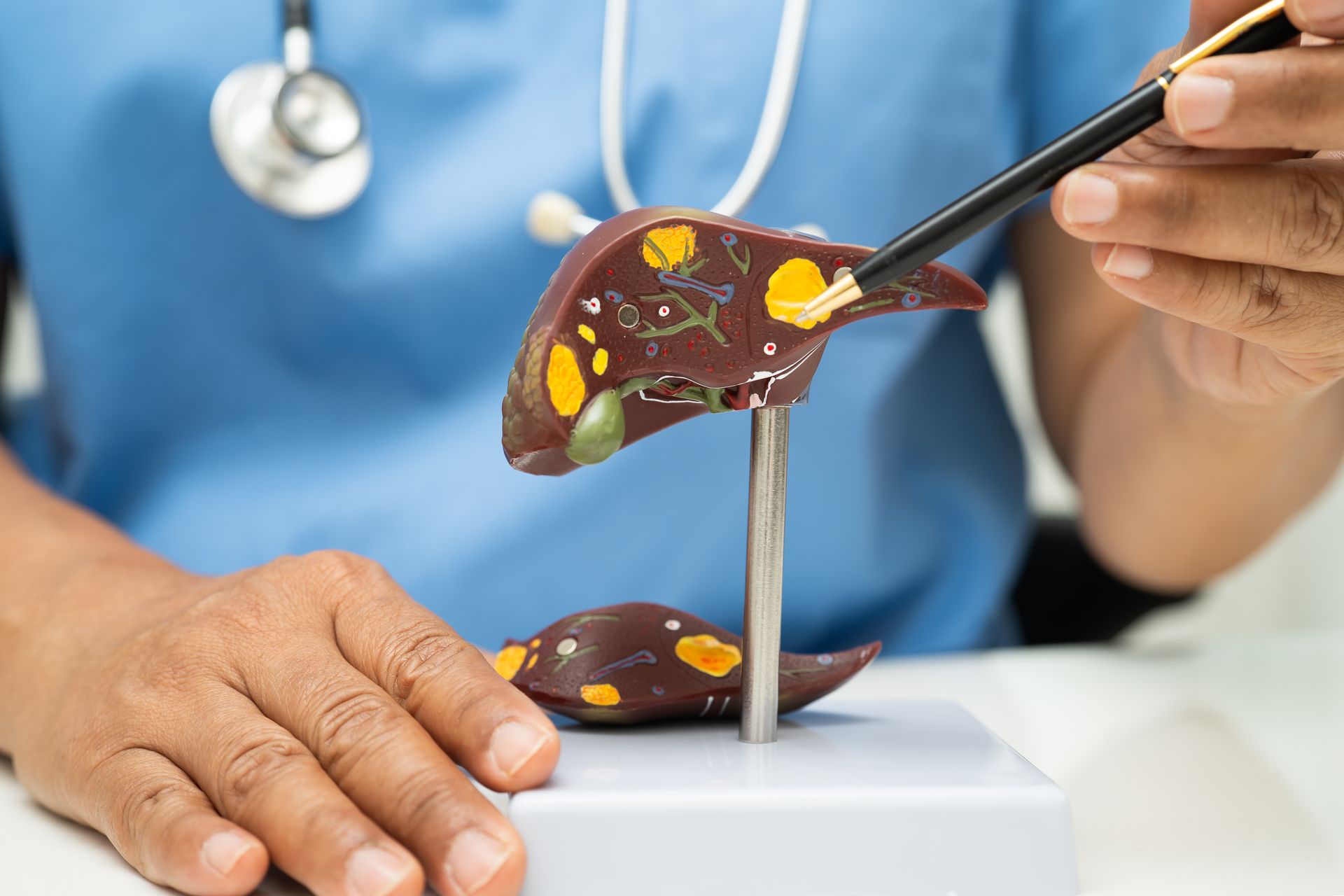
Fatty liver disease is becoming more and more common, which is why it's important to consider liver health as part of general well-being. Nonalcoholic fatty liver disease (NAFLD) is a condition in which too much fat builds up in the liver of people who drink only small amounts or no alcohol at all. Although in most instances fatty liver disease does not cause any noticeable symptoms, it can progress to more serious liver issues if it is not properly managed.
What Counts as Fatty Liver Disease?
The disease is diagnosed when fat accumulates in liver cells. Nonalcoholic fatty liver disease (NAFLD), which is now also called metabolic dysfunction-associated steatotic liver disease (MASLD), is usually linked with metabolic health conditions.
Factors that may increase the risk of fatty liver disease include:
• Overweight or obesity
• Type 2 diabetes or insulin resistance
• High cholesterol or triglycerides
• High blood pressure
• Consumption of added sugars and processed foods
• Physical inactivity
Fatty liver disease can go from a simple build-up of fat to involving liver inflammation and scarring. Early signs and treatment may reduce the risk of progression.
What are Signs of Fatty Liver Disease?
Few people with fatty liver disease have any noticeable symptoms, especially in the early stages; when symptoms do appear, they may be general and can involve:
• Fatigue
• Discomfort in the upper right abdomen
• General weakness
• Unexplained changes in weight
Since symptoms can be absent or very mild, physicians often find fatty liver disease during routine blood tests or when imaging is carried out for some other reason.
Can Fatty Liver Disease be Reversed?
In numerous instances, making changes to one's way of life may result in a decrease in liver fat and result in an improvement of general liver health. For individuals who are overweight or obese and have fatty liver disease, weight management is one of the most important measures.
Steps that may help improve fatty liver disease include:
• Achieving gradual, lasting weight loss when appropriate
• Maintaining a well-rounded diet rich in vegetables, fruits, whole grains, and low-fat proteins
• Limiting added sugars and highly processed foods
• Reducing intake of sugary beverages
• Taking part in regular physical activity
• Managing diabetes, cholesterol, and blood pressure
Even a slight amount of weight loss can reduce buildup in the liver. Nevertheless, the right weight-loss methods depend on the individual's overall health and medical history.
What is the Importance of Managing Fatty Liver Disease?
Fatty liver disease might at first cause no symptoms, but in some cases inflammation and liver fibrosis — that is, scarring — can occur. In more advanced cases of liver disease there is a greater risk of cirrhosis, liver failure, and other complications.
A regular medical checkup can help establish if there is any liver damage and allow the extent of any changes to be kept under observation. In some cases, a gastroenterology or hepatology specialist will suggest blood tests, imaging, or further testing.
When is it Necessary to See a Gastroenterology Specialist?
People should think about seeing a gastroenterology specialist if they have been given a diagnosis of fatty liver disease or if they have any risk factors for developing it. It is particularly important to have a medical evaluation if your liver tests are abnormal, if you have ongoing abdominal discomfort, or if you have other worrying symptoms.
A specialist can assess liver health, identify contributing factors, and create a customized treatment and monitoring program.
Maintaining Long-Term Liver Health
Fatty liver disease is closely linked to overall metabolic health, and you can help keep your liver healthy by maintaining a healthy weight, eating a balanced diet, staying physically active, and controlling conditions like diabetes and high cholesterol.
For people who have NAFLD or MASLD, early evaluation and regular changes to their way of life can have a significant impact on their liver health. By working with a gastroenterology specialist, they can determine suitable treatment options and reduce the risk of long-term liver complications.
More Blogs