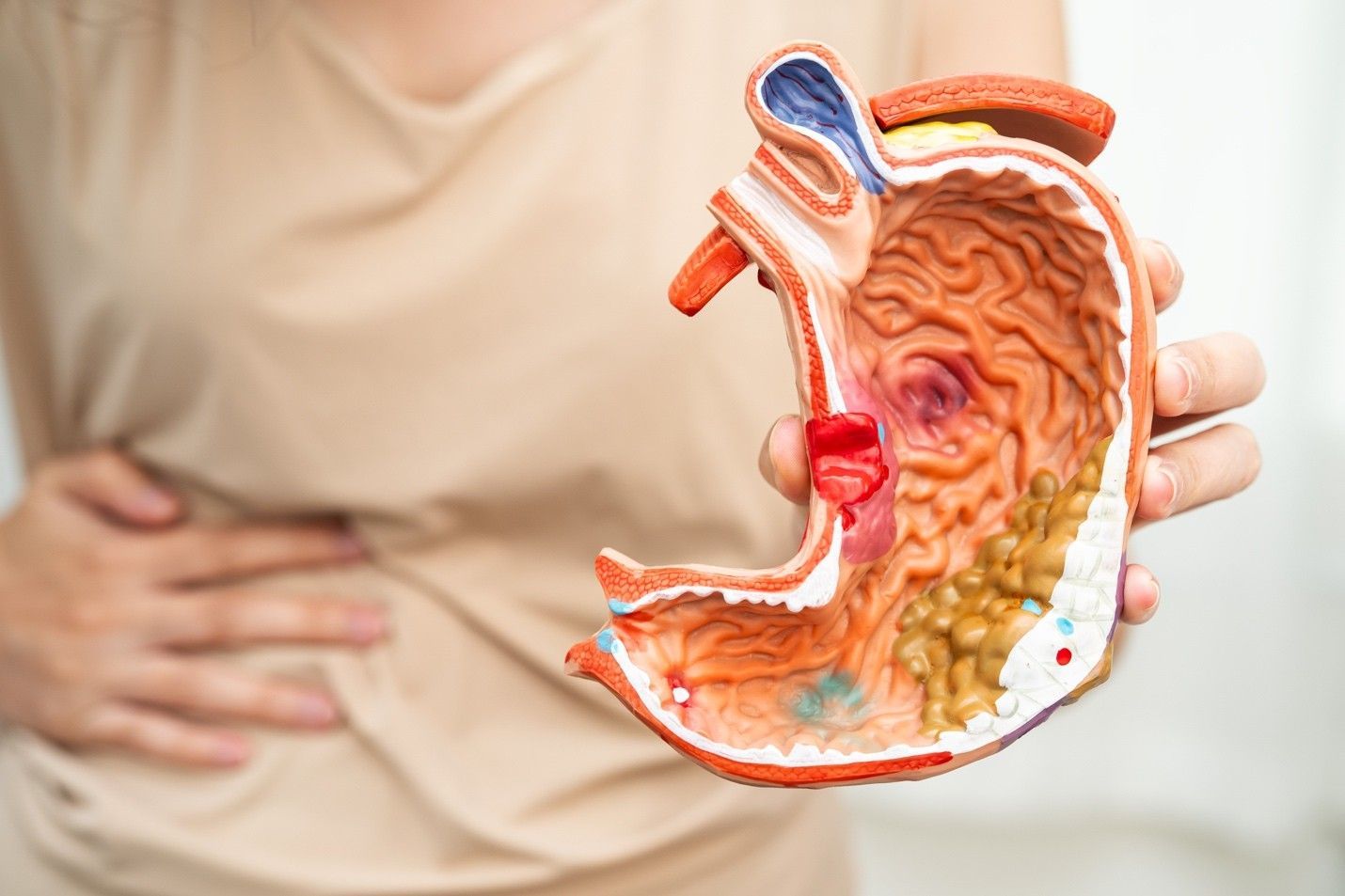

10 Ways You Can Benefit from Meeting with a Nutritionist/ Gastroenterologist

10 Ways You Can Benefit from Meeting with a Nutritionist/Gastroenterologist

To take control of your overall well-being, you need to eat better and make informed dietary choices. Whether you have specific concerns or want to live healthier, a nutritionist can help you achieve your goals. Continue reading to discover how seeing a nutritionist can benefit you.


Who Are Nutritionists?

Nutritionists have in-depth knowledge of nutrition and how it affects health. They are specialists who have received training and education about various diets and nutrients that impact the body’s processes. They may have a bachelor's or master's degree in dietetics, nutrition, or a related field. Some might even be registered dietitians who have passed a regulatory body's particular educational and professional standards.


Benefits of Nutritionists

Nutritionists are crucial in helping you make informed dietary choices and achieve your health goals. Here are ten ways you can benefit from meeting with a nutritionist.


1. Create a Personalized Health and Nutrition Profile

Every person is unique, with different lifestyle preferences and routines. Trying to make dietary changes on your own by adopting a general diet plan from the internet or a friend may not work in the long run. Nutritionists create a customized plan by assessing your medical history, lifestyle, routines, and dietary preferences. 


Since nutritionists are up to date on the latest research, they can provide diet plans and advice based on reliable science. They will ensure your personalized program aligns with your values by noting the cultural, religious, and ethical beliefs impacting your food preferences. Their approach uses evidence to guide you toward making practical and lasting dietary changes. It provides a roadmap to reach your health goals while giving your body the necessary nourishment. 


2. Avoid Diet Traps with Helpful Tips

With the rise of social media influencers and self-proclaimed nutrition experts, it's easy to fall into the trap of trendy diets that promise quick results but lack scientific backing. A nutritionist can help you avoid diet traps and fads by separating fact from fiction. By navigating through the noise and identifying reputable sources, you avoid potentially harmful trends that could negatively impact your health. 


Nutritionists can help you determine how to eat by recommending recipe selection, meal timing, and lifestyle adjustments. This advice lets you develop a healthier relationship with food by addressing emotional eating, unhealthy food cravings, and disordered eating patterns. 


3. Address Digestive Issues

Indigestion, constipation, irritable bowel syndrome, celiac disease, acid reflux, and other digestive issues can significantly impact your quality of life. A specialist can play a vital role in identifying the underlying causes of these digestive issues and developing a plan to alleviate symptoms and promote gut health. They can pinpoint potential triggers or aggravating factors contributing to your digestive issues by conducting a comprehensive diet and lifestyle assessment. They may suggest dietary modifications and incorporate gut-friendly foods that support digestion. 


A nutritionist can help you identify and manage food intolerances or sensitivities that contribute to your digestive issues. They can guide you through an elimination diet, where specific foods are temporarily removed from your diet to identify any potential triggers. After identifying the problematic foods, a nutritionist can assist in developing a modified eating plan that avoids these triggers while ensuring you still receive proper nutrition. By making these dietary modifications, you can experience improved digestion, reduced discomfort, and enhanced overall gastrointestinal well-being.


4. Gain Nutrition Knowledge

Understanding what's good for your health might be tricky in a market saturated with many food products. Since nutritionists have extensive knowledge about different food products, they can guide you through the confusing world of food labels and ingredients. They'll break down terms like "organic," "non-GMO," and "gluten-free", and explain how they can affect your digestive health. Understanding food labels and ingredients will empower you to choose products that fit your dietary needs and avoid additives or allergens that may harm you. With proper nutrition knowledge, you can confidently navigate supermarket aisles and make good choices.


Nutritionists can provide practical tips for meal planning and preparation. This guidance ensures that you have various nutritious options readily available when you're hungry. The ability to plan your diet effectively can prevent you from making unhealthy decisions like skipping meals or ordering unhealthy takeout.


5. Achieve Your Weight Goals

When you're on a healthy journey, your relationship with food and exercise may be out of your control. A nutritionist can be a valuable resource if you aim to lose, gain, or maintain weight. They can assess your current weight, body composition, and lifestyle factors to create a tailored plan that aligns with your weight goals. They will also educate you about portion control, the importance of macronutrients (carbohydrates, proteins, and fats), and the role of regular physical activity in achieving your weight goals.


It's important to note that weight management is a multifaceted process, and meeting with a nutritionist is just one aspect. It's crucial to approach weight goals holistically, considering factors like stress management and overall lifestyle habits. A nutritionist can collaborate with other healthcare professionals to provide comprehensive support and guidance.


6. Manage Chronic Conditions

The CDC states that 6 in 10 individuals in the US have a chronic condition. Proper nutrition is essential for managing diseases like diabetes, cardiovascular disease, and hypertension. A specialist can work with your doctor to help you avoid lifestyle risks and potential complications. They can also improve your quality of life by adding flavorful and satisfying options to your restrictive diet plans. 


If your medications alter the taste of certain foods, a nutritionist can find suitable alternatives that are more tolerable. They can work closely with you to identify foods that don't interfere with the efficacy of your medication. By collaborating with a nutritionist, you can gain valuable insights into the nutritional aspects of your chronic condition. This knowledge lets you balance your lifestyle habits. 


7. Address Allergies and Deficiencies

Food allergies and nutritional deficiencies can alter your lifestyle significantly. The expertise of nutritionists is crucial to addressing these issues and letting you take control of your life. They can use elimination diets, allergy testing, and laboratory tests to pinpoint allergens causing your symptoms and nutritional deficiencies. Armed with this knowledge, they can develop a personalized meal plan that addresses your needs. 


If you follow a vegetarian or vegan lifestyle, nutritionists can show you how to obtain protein and other necessary nutrients from plant-based sources. They can also help lactose-intolerant individuals adapt their diets to ensure dietary restrictions do not interfere with their health. 


8. Improve Athletic Performance

Nutritionists have your back, especially if you're an athlete looking to increase your performance. With their personalized diet plans, you can boost your energy levels, support muscle growth and repair, and aid post-workout recovery. You can also fuel your workouts by finding the perfect balance of macronutrients (carbs, proteins, and fats). With the right combination of carbs and proteins, your muscles will thrive, experiencing less waste and enhanced growth during training and competitions.


A nutritionist can help with deficiencies in essential nutrients like magnesium and zinc, which may affect your athletic performance. A lack of these vitamins and minerals can lead to problems like fatigue, constipation, muscle cramps, and joint pain. You can perform at your best and overcome physical hurdles by addressing these deficiencies. So, get ready to unlock your potential with your nutritionist's expert guidance and support.


9. Receive Support and Motivation

Changing dietary habits and implementing lifestyle modifications can be challenging. Nutritionists can be a reliable source of guidance and motivation throughout your journey toward better health. They can offer support, answer your questions, and address any concerns or obstacles you may encounter on your journey to better health. Having a trusted nutritionist on your side gives you assurance and peace of mind that you're on the right path. 


10. Improve Your Mental Well-Being

Proper nutrition is vital for brain health, impacting mood, cognition, and overall mental well-being. Research shows that Omega-3 fatty acids in fatty fish, walnuts, and flaxseeds can improve mood and reduce anxiety symptoms. Nutritionists understand the food-brain connection and can suggest foods to support mental well-being. They also assist those with depression and mental health conditions. 


Nutritionists address food cravings and emotional eating, identifying triggers that affect mood. You can improve your mindset by enhancing nutrition and adopting a balanced approach to eating, mental well-being, and a positive attitude.


A nutritionist's guidance can be a game-changer in a world filled with information overload and conflicting nutrition advice. Understanding the complex relationship between food and your health can let you live a fulfilling, stress-free lifestyle. 


If you're ready to take control of your health and make informed dietary choices, visit
Northlake Gastroenterology. Our team of experienced nutritionists and gastroenterologists can provide personalized care and guidance to help you achieve your health goals. Call 985-542-1334 to book a consultation. We look forward to guiding you toward a healthier and happier life.

More Blogs
August 28, 2026
Probiotics have risen in prominence in discussions of digestive health, as people increasingly consume probiotic foods and supplements to promote gastrointestinal well-being. These beneficial microorganisms may help maintain a balanced population of bacteria in the digestive system and support normal digestive processes. However, probiotic benefits vary by type, individual, and underlying digestive condition. What Are Probiotics? Probiotics are live microorganisms, including specific bacteria and yeast, that may provide health benefits when consumed in sufficient quantities. The digestive tract naturally contains trillions of microorganisms, collectively known as the gut microbiome. Maintaining a healthy balance of microorganisms supports effective digestion and overall digestive health. Probiotics may support this state by introducing beneficial microorganisms into the digestive system. Common sources of probiotics include: Yogurt containing live and active cultures Kefir Fermented vegetables Certain fermented foods Probiotic dietary supplements Probiotic strains differ in their effects; therefore, choose an appropriate probiotic based on your health needs and specific digestive concerns. How Do Probiotics Support Digestive Health? Diet, illness, medications, and stress can influence the composition of the gut microbiome. For instance, antibiotics can reduce both harmful and beneficial bacteria in the digestive tract. Probiotics may support digestive health in several ways, including: Helping preserve a healthy balance of gut microorganisms Supporting normal digestion Supporting regular bowel movements Helping with certain types of diarrhea Supporting digestive comfort Interacting with the immune system Current research is investigating the potential effects of probiotics on conditions such as irritable bowel syndrome (IBS), antibiotic-associated diarrhea, and other digestive disorders. Can Probiotics Help With Digestive Problems? Probiotics may be beneficial for certain digestive conditions; however, they do not serve as a universal treatment. Some people may experience improvements in symptoms such as bloating or bowel regularity, while others may not notice significant benefits. A probiotic's effectiveness depends on factors including the specific strain, dosage, duration of use, and the individual's digestive health. Therefore, probiotic supplementation should not substitute for evaluation by a gastroenterology specialist when symptoms persist. Probiotic Foods vs. Supplements Probiotics are available from both foods and dietary supplements. Foods such as yogurt and kefir provide beneficial microorganisms and also supply essential nutrients. Supplements contain specific probiotic strains in concentrated amounts. However, higher quantities of probiotics do not necessarily yield better outcomes. Products vary in strains and dosages, and supplements may not suit everyone. A medical expert can determine whether probiotic supplementation is appropriate based on an individual's symptoms and medical history. When Should You See a Gastroenterology Specialist? Although occasional digestive discomfort is common, don't manage persistent or worsening symptoms with probiotics alone. Consultation with a gastroenterology specialist is recommended if any of the following symptoms occur: Ongoing abdominal pain or bloating Persistent diarrhea or constipation Blood in your stool Unexplained weight loss Significant changes in bowel habits Recurring digestive symptoms that impede daily activities Symptoms that do not improve with dietary changes Such symptoms may indicate an underlying condition that requires appropriate diagnosis and medical management. Supporting a Healthy Gut Probiotics are only one part of maintaining optimal digestive health. A well-balanced diet rich in fiber, sufficient hydration, regular physical exercise, and healthy lifestyle practices also support the gut microbiome.  Individuals considering probiotics or experiencing ongoing digestive symptoms should consult a gastroenterology specialist to discuss available options. A specialist can help develop a customized approach to supporting digestive health and general well-being.
July 31, 2026
Constipation is an often temporary digestive problem that can affect anyone. Occasional constipation is usually nothing to worry about, but if your symptoms last for weeks or months, it could point to a more serious problem. Chronic constipation can interrupt your daily routine, cause discomfort, and affect your digestive health. Gastroenterology specialists identify the cause and create a treatment plan that works for you. What Is Chronic Constipation? Constipation usually means having less than three bowel movements a week, having trouble passing stool, or feeling like your bowels do not empty completely. If these symptoms last for three months or more, it is called chronic constipation. Occasional constipation can happen because of changes in your diet or routine, but chronic constipation often needs a doctor’s evaluation to find the cause and prevent problems. Common Causes of Chronic Constipation Many things can lead to chronic constipation, and sometimes more than one factor is involved. Common causes include: A low-fiber diet Not drinking enough water Lack of regular physical exercise Side effects from certain medications Irritable bowel syndrome (IBS) Pelvic floor dysfunction Thyroid disorders Neurological conditions such as Parkinson’s disease or multiple sclerosis Colon or rectal disorders Since chronic constipation can have several causes, it is important to get a full evaluation for the right diagnosis and treatment. Symptoms of Chronic Constipation Not having regular bowel movements is the most obvious sign, but chronic constipation can also cause other digestive problems. Typical symptoms include: Fewer than three bowel movements each week Hard, dry, or lumpy stools Straining during bowel movements A feeling of incomplete bowel emptying Abdominal bloating or discomfort Excessive gas The need to use manual assistance to pass stool in some cases If constipation is not treated, it can lead to problems like hemorrhoids, anal fissures, or fecal impaction over time. When Should You See a Gastroenterology Specialist? Many people use over-the-counter remedies before seeing a doctor. These treatments might help for a short time, but ongoing symptoms should not be ignored. You should schedule an appointment with a specialist if you experience: Constipation lasting longer than three weeks Frequent reliance on laxatives Blood in your stool Severe abdominal pain Unexplained weight loss New constipation after age 50 Symptoms that interfere with your daily activities Constipation that does not improve with diet and lifestyle changes These symptoms could be signs of a digestive problem that needs to be checked by a doctor. How Chronic Constipation Is Diagnosed A gastroenterology specialist will start by looking at your medical history, medications, diet, and symptoms. They may also do a physical exam. Diagnostic testing may include: Blood tests to identify thyroid disease or other metabolic conditions Colonoscopy to evaluate the colon, especially if warning signs are present Imaging studies to identify structural abnormalities Colonic transit studies to measure how quickly stool moves through the digestive tract Anorectal function testing to evaluate muscle coordination throughout bowel movements These tests help find the cause of your constipation and guide the best treatment plan for you. Treatment Options for Chronic Constipation Treatment aims to improve how your bowels work and to address any other health issues that may be causing constipation. Common treatment options include: Increasing dietary fiber intake Drinking more water throughout the day Consistent physical exercise Prescription medications that improve bowel function Pelvic floor physical therapy when muscle dysfunction is present Adjusting medications that may contribute to constipation Treating underlying digestive or medical conditions Many people feel much better when they combine lifestyle changes with the right medical treatment.  Don’t Ignore Ongoing Constipation Constipation is common, but chronic constipation is not something you should ignore. Ongoing symptoms can affect your comfort, nutrition, and quality of life, and might be a sign of a more serious digestive issue. If you have ongoing constipation or trouble with bowel movements, it is important to see a gastroenterology specialist. Getting help early and having a treatment plan made just for you can restore healthy bowel function, ease your symptoms, and support your digestive health in the long run.
June 29, 2026
SIBO, or Small Intestinal Bacterial Overgrowth, occurs when too many bacteria grow in the small intestine. Although bacteria are a normal part of digestion, having too many in the small intestine can upset digestion and nutritional absorption. Gastroenterology clinics work to identify and treat SIBO to help patients feel better and support gut health. What Is SIBO? SIBO happens when too many bacteria build up in the small intestine, which usually has fewer bacteria than the colon. These extra bacteria can disrupt digestion by fermenting food earlier than usual. This may cause symptoms such as gas, inflammation, and difficulty absorbing nutrients. SIBO is often connected to other digestive problems, slow gut movement, or changes in gut structure. Common Causes of SIBO Many things can raise the risk of SIBO. Often, it develops because of a mix of digestive changes rather than just one cause. Common causes include: Slowed intestinal motility, allowing bacteria to grow and accumulate Structural abnormalities in the small intestine Previous gastrointestinal surgery Chronic conditions such as IBS or diabetes Low stomach acid, which normally helps control bacterial growth Long-term use of certain medications that affect gut balance Since SIBO often appears with other health issues, a complete medical check is important to get the right diagnosis. Symptoms of SIBO SIBO symptoms can be mild or severe and often look like those of other digestive problems, so testing is usually needed to find the cause. Typical symptoms include: Frequent bloating or abdominal distention Excessive gas or belching Abdominal discomfort or cramping Diarrhea, constipation, or alternating bowel habits Fatigue or low energy levels Nutrient deficiencies, such as vitamin B12 deficiency Unintended weight loss in more advanced cases Many people find their symptoms get worse after eating, especially after meals with lots of carbohydrates. How SIBO Is Diagnosed Because SIBO symptoms can look like other gut problems, proper testing is important. Doctors usually start by asking about your symptoms, diet, medical history, and any medicines you take. Diagnostic methods may include: Hydrogen and methane breath testing Blood tests to test for nutrient deficiencies Stool testing in some cases Evaluation for underlying conditions causing bacterial overgrowth Breath tests are often used to find SIBO because they measure gases made by bacteria in the small intestine. Treatment Options for SIBO SIBO treatment aims to lower the extra bacteria, ease symptoms, and fix the root cause to help prevent it from coming back. Common treatment approaches include: Antibiotics or antimicrobial therapy Dietary changes such as low FODMAP or modified carbohydrate intake Prokinetic medications to improve intestinal movement Probiotics, in some cases, can restore gut balance Nutritional support to correct deficiencies Treating underlying digestive conditions Changing your diet and daily habits can be important for managing SIBO and keeping symptoms under control over time.  When to Seek Medical Care If you keep having digestive symptoms, don’t ignore them. You should see a doctor if you notice: Ongoing bloating or gas Chronic diarrhea or constipation Unexplained fatigue or nutrient deficiencies Abdominal pain that affects daily life Symptoms that do not improve with basic dietary changes Early diagnosis and treatment can stop complications from occurring and boost digestive comfort. Finding and treating SIBO early can help you avoid problems and feel better with the right care plan. In gastroenterology practices, providers focus on identifying the root cause of symptoms and developing customized treatment plans to support long-term digestive health. If you have symptoms of SIBO or ongoing digestive issues, making an appointment is a good first step to feeling better and improving your quality of life.
Chronic Bloating: Causes, Diagnosis, and Treatment Options
May 31, 2026
Many people feel bloated from time to time, but when bloating occurs frequently or persists, it may indicate a digestive problem that needs a doctor’s attention.
Signs Your Digestive Issues Could Be Food Sensitivities
May 1, 2026
Digestive health is a keystone of overall wellness, yet many individuals experience ongoing gastrointestinal (GI) discomfort without understanding...
Leaky Gut Syndrome: Myth or Medical Condition?
April 20, 2026
Digestive health research continues to evolve, often leading to confusing terminology. “Leaky gut syndrome” has recently attracted attention...
The Gut-Brain Connection: How Digestion Affects Mental Health
By Bob Berendsen March 1, 2026
Digestive health affects more than just how your body processes food - it also plays a vital role in emotional and mental health. Many patients are surprised to learn how closely the gut and brain are connected
Digestive Conditions & GI Symptoms: When to Seek Expert Gastroenterology Care
By Bob Berendsen February 1, 2026
At Northlake Gastroenterology Associates, our professionals are dedicated to diagnosing and treating a plethora of digestive conditions to help patients find lasting relief.
By Bob Berendsen January 12, 2026
At Northlake Gastroenterology Associates, esophageal manometry is an important diagnostic tool used to evaluate swallowing problems and esophageal function. This test helps measure what can’t be seen with standard imaging — how well the muscles in the esophagus are working. Have you ever felt like food gets stuck when you swallow? Or experienced chest discomfort, pain while eating, or ongoing heartburn that doesn’t improve with treatment? These symptoms can be frustrating and even concerning. While they may seem minor at first, they can be signs of a swallowing or esophageal disorder. To better understand what’s happening beneath the surface, doctors may recommend a specialized test called esophageal manometry. What Is Esophageal Manometry? Esophageal manometry is a test that measures the strength, coordination, and timing of muscle contractions in your esophagus. The esophagus is the muscular tube that moves food and liquid from your mouth to your stomach. For swallowing to work properly, these muscles must contract in a smooth, organized way. Unlike an X-ray or endoscopy, which show the structure of the esophagus, esophageal manometry focuses on how the muscles function. This makes it especially useful when patients have symptoms but normal-looking imaging results. Why Is This Test Important? Swallowing is a complex process that involves multiple muscles and valves working together. When even one part of this process isn’t functioning correctly, it can lead to uncomfortable or painful symptoms, including: Difficulty swallowing food or liquids A sensation of food getting stuck in the throat or chest Chest pain not related to the heart Ongoing heartburn or regurgitation Esophageal manometry allows gastroenterologists to identify problems with muscle movement, pressure, or coordination that may be causing these symptoms. Understanding the exact issue is essential for creating an effective treatment plan. Conditions Esophageal Manometry Can Diagnose Esophageal manometry is especially helpful in diagnosing esophageal motility disorders , which occur when the muscles of the esophagus don’t work as they should. Some common conditions identified through manometry include: Achalasia This condition occurs when the muscle at the bottom of the esophagus does not relax properly, making it difficult for food to pass into the stomach. Patients may feel like food stops or backs up after swallowing. Esophageal Spasms In this disorder, esophageal muscles contract irregularly or too forcefully. This can cause sudden chest pain or difficulty swallowing, sometimes mimicking heart-related symptoms. Weak or Ineffective Esophageal Motility Some patients have esophageal muscles that are too weak to move food efficiently. This can contribute to swallowing difficulties or ongoing reflux symptoms. By identifying these patterns, esophageal manometry helps doctors understand why symptoms are occurring and how best to treat them. What Happens During the Test? Esophageal manometry is typically performed as an outpatient procedure and does not require sedation. The test usually takes about 30 to 45 minutes. Here’s what patients can expect: A thin, flexible tube is gently passed through the nose and into the esophagus. Once the tube is in place, patients are asked to swallow small sips of water. Sensors along the tube measure muscle pressure and coordination during each swallow. The tube is removed once enough measurements are collected. While some patients experience mild discomfort or pressure in the nose or throat, the test is generally well-tolerated. Most people can resume normal activities shortly afterward. How Esophageal Manometry Helps Guide Treatment One of the biggest benefits of esophageal manometry is that it provides clear, objective data about how the esophagus functions. This information allows your gastroenterologist to tailor treatment to your specific condition. Depending on the results, treatment options may include: Medications to relax or improve muscle function Dietary adjustments to make swallowing easier Lifestyle changes to reduce symptoms Advanced procedures or surgery for certain conditions In some cases, manometry is also used before or after surgery to ensure the esophagus can function properly or to evaluate treatment success. Why Choose Northlake Gastroenterology Associates? At Northlake Gastroenterology Associates, patients receive expert care for a wide range of digestive and swallowing concerns. Our experienced providers use advanced diagnostic tools like esophageal manometry to identify the root cause of symptoms — not just manage them. We understand that swallowing difficulties can affect nutrition, comfort, and overall quality of life. That’s why we take a patient-centered approach, focusing on accurate diagnosis, clear communication, and personalized treatment plans designed to improve long-term outcomes. Take the Next Step Toward Answers and Relief If you are experiencing trouble swallowing, unexplained chest discomfort, or persistent reflux symptoms, you don’t have to live with uncertainty. Esophageal manometry can provide valuable insight into what’s happening inside your esophagus and help guide effective treatment. Contact Northlake Gastroenterology Associates today to schedule an appointment or learn more about esophageal manometry. Our team is here to help you find answers and get back to feeling your best.
Beyond the Scope of Traditional Care | Northlake Gastroenterology
By Bob Berendsen December 2, 2025
(ERCP) provides a powerful, minimally invasive solution that goes beyond traditional care, allowing your doctor to both diagnose and treat issues.